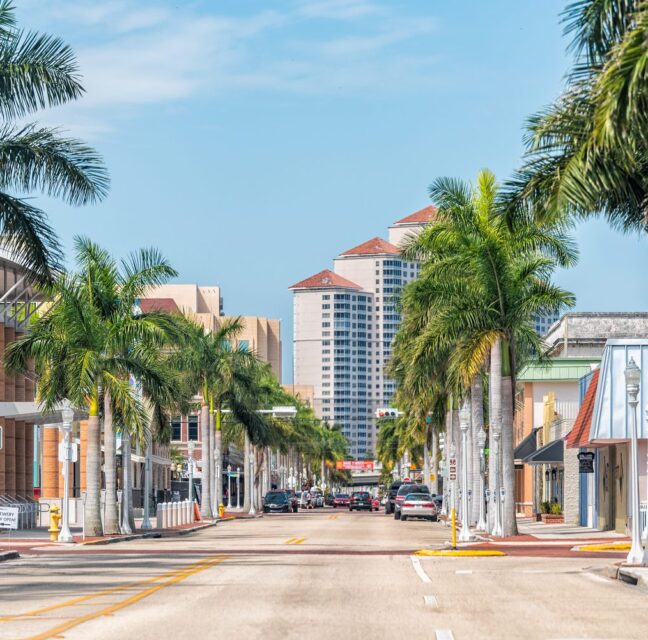

By 1914, Lee County was no longer a frontier outpost. Its population had climbed past 6,000, and Fort Myers, the county seat, was beginning to look like a modern Florida town. The Royal Palm Hotel welcomed winter guests in grand style. The First National Bank opened a new concrete building on First Street. Nearby, Harvie Heitman was finishing the long Earnhardt Building, another sign that downtown was growing up in brick, steel, and ambition.
But one building still belonged to an earlier era.
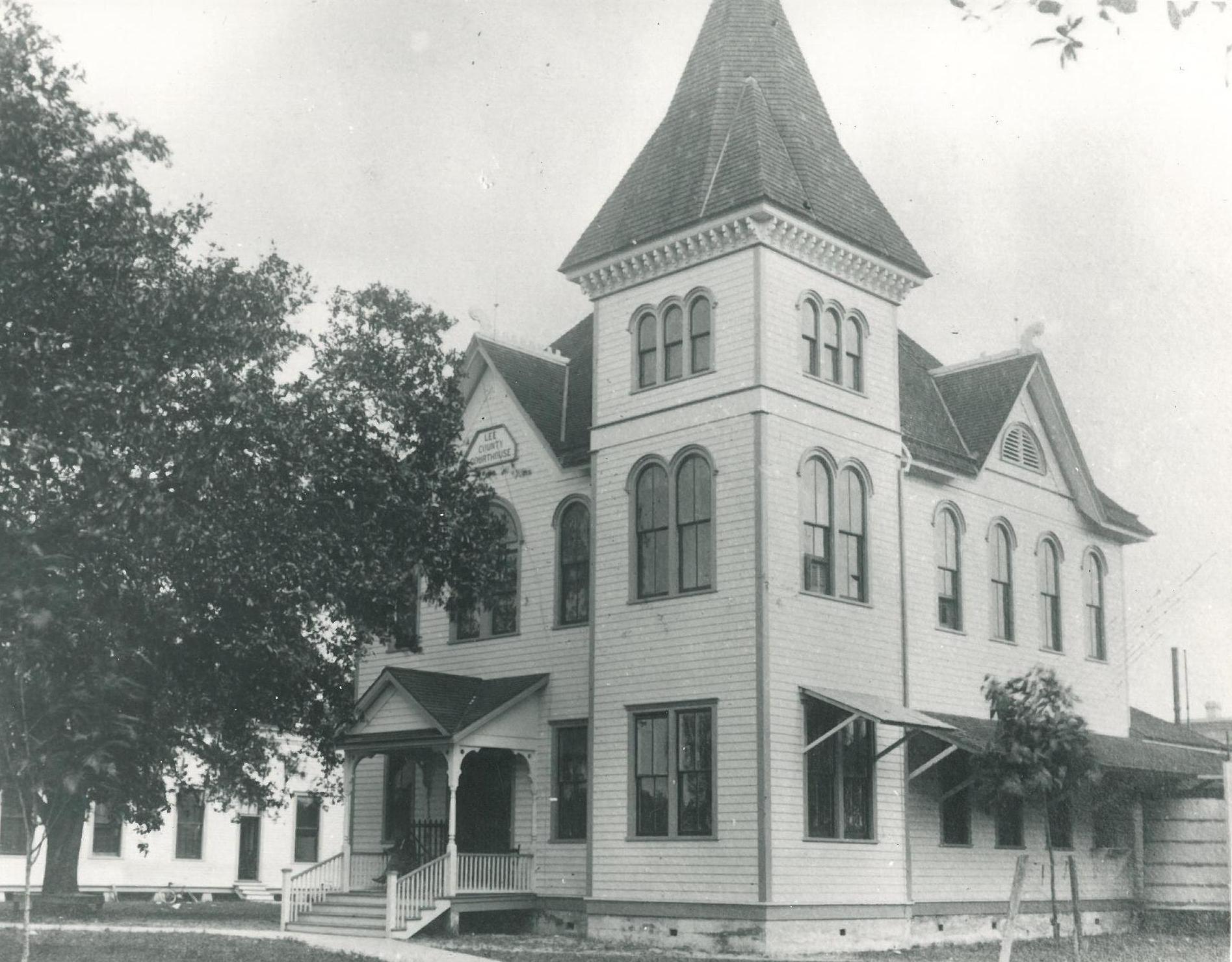
On Second Street stood Lee County’s original courthouse, a wooden structure dating to the county’s early years. In a town eager to present itself as progressive and prosperous, the aging building had become an embarrassment. It was outdated, increasingly inadequate, and, according to local accounts, lacked even so basic a convenience as restrooms.
Few people were more determined to replace it than William H. Towles. Towles had long argued that Lee County needed a courthouse that matched the importance and promise of Fort Myers. Opposing him was a faction led by Harvie Heitman, who believed the county had no business spending heavily on a new building while the old one could still serve its purpose. What followed became one of the most dramatic political fights in early Lee County history. The battle over the courthouse grew so heated that it turned into a full civic showdown. Contemporary records describe multiple legal efforts in 1914 to stop the project, with opponents securing injunctions on technical grounds even after the county moved ahead with bids.
The commissioners persisted. In October 1914, they accepted the low bid of $100,000 from Atlanta contractor F.P. Heifner, even though the price came in above earlier estimates. Opponents immediately prepared another legal challenge in Arcadia, arguing that a new courthouse was unnecessary.
This time, Towles and the courthouse supporters moved faster than their rivals.
County records show that after learning another injunction was being sought, the commissioners authorized Towles to take whatever action he deemed necessary. He met with the contractor and ordered the old wooden courthouse torn down. By October 29, 1914, the Fort Myers News-Press reported that crews were already hauling the old structure away and that by the next day little would remain except the concrete foundation. Once the old courthouse was gone, the argument over whether Lee County needed a new one was effectively over. It did.
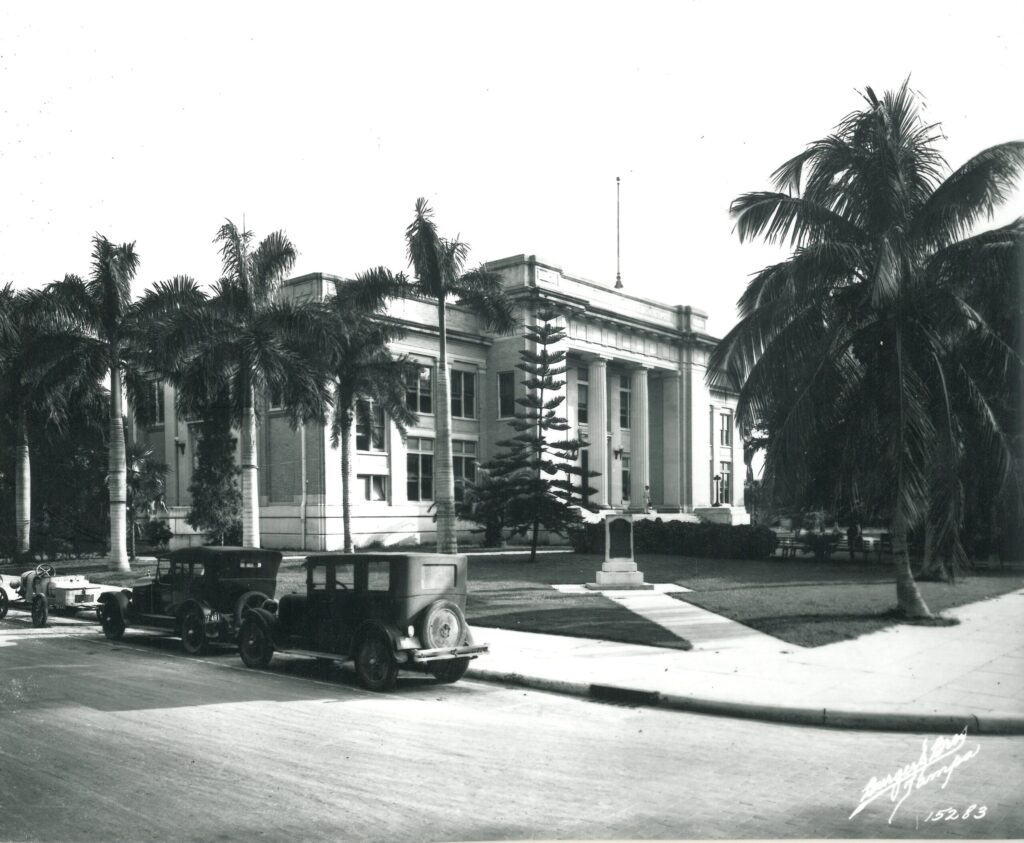
The new courthouse rose soon after. Its cornerstone was laid on April 13, 1915, and the building was occupied by December 1915. More than a public building, it was a statement: Fort Myers intended to see itself, and to be seen by others, as a place of permanence, confidence, and growth.
And yet one of the most meaningful parts of the story came from what was left behind. The lumber salvaged from the old courthouse helped build Fort Myers’ first hospital in 1916. Lee Health traces its origins to that effort, noting that donated wood from the dismantled courthouse was used to construct the city’s first hospital, then known as Lee County Hospital.
So the old courthouse did not simply disappear. In a way, it was transformed, first into a new seat of government, and then into a place of healing for a growing community.
Learn more local history at IMAG History & Science Center—where Southwest Florida’s stories come to life.
Love what you're reading?
Get the best of Fort Myers delivered to your inbox every month — local stories, events, and good news worth sharing.
Subscribe for Free