
Hundreds of people pass Punta Rassa every day without giving it a second thought, yet few places in Southwest Florida have witnessed more history.
The name roughly means “flat point,” and today most people know it as the mainland approach to the Sanibel Causeway. But long before resorts, marinas, and toll plazas, Punta Rassa was a gateway to the Caloosahatchee and a gathering place for fishermen, soldiers, cattlemen, telegraph operators, and wealthy sportsmen.
Its deep harbor made it a natural stopping point from the earliest days of European settlement. Spanish and Cuban fishing communities operated throughout the Charlotte Harbor region, including Punta Rassa, before the United States took control of Florida.
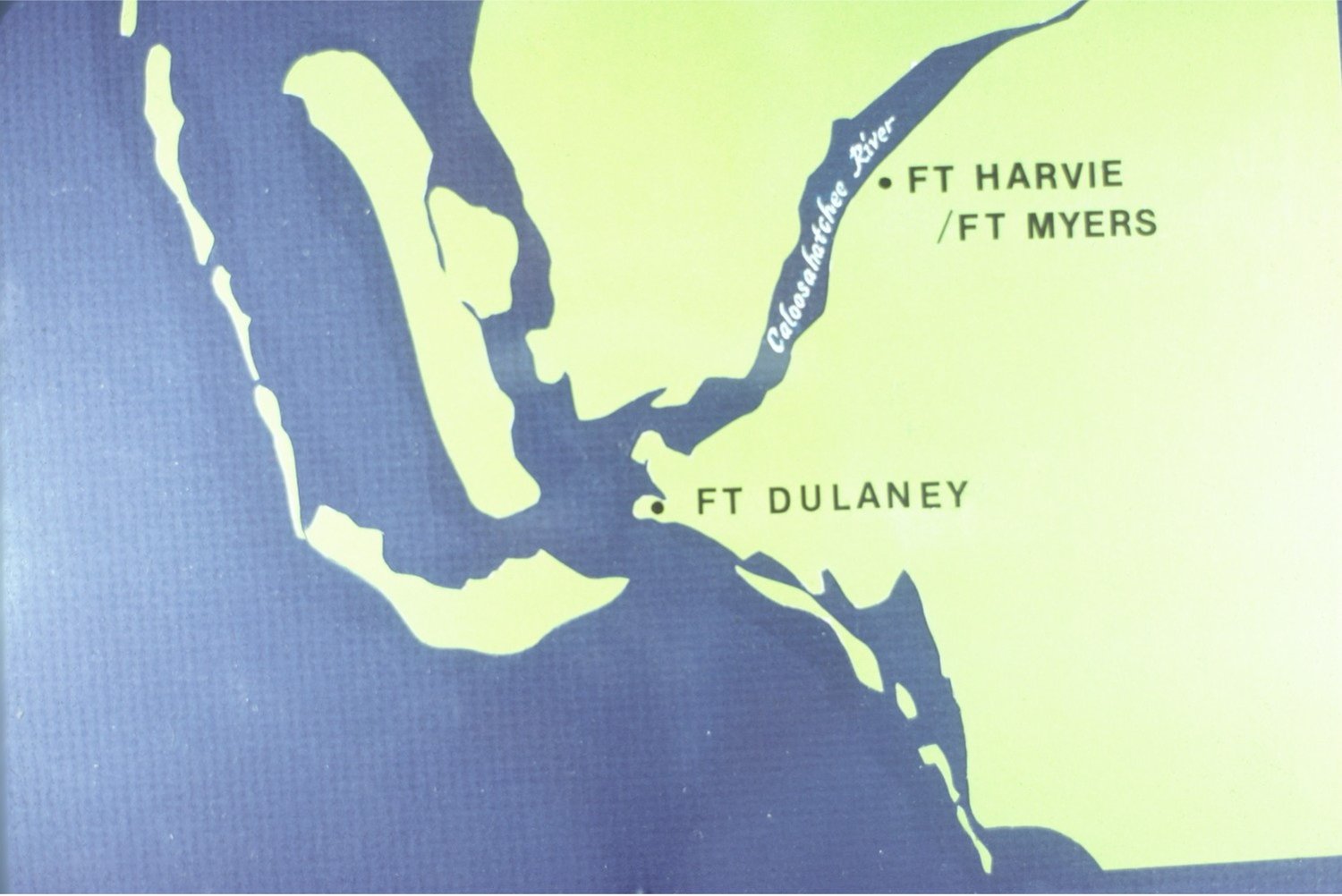
During the Second Seminole War, the U.S. Army established Fort Dulany (also spelled Dulaney) there. The post became an important supply point, but its exposed location proved disastrous. In October 1841, a hurricane destroyed the fort and flooded the point. The Army then looked farther up the Caloosahatchee for a more protected site, helping set in motion the establishment of the military post that would later become Fort Myers.
Punta Rassa soon found a new purpose.
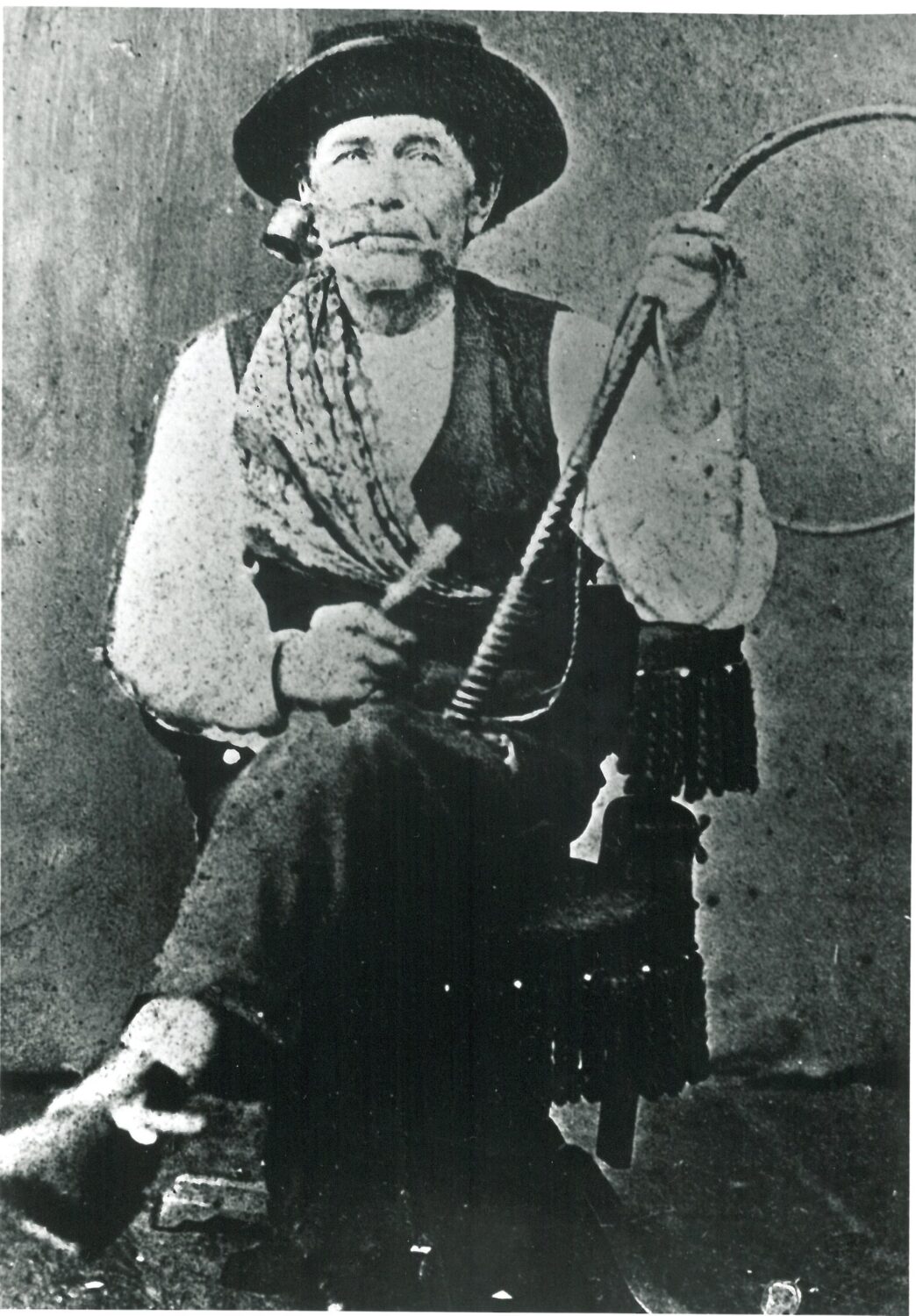
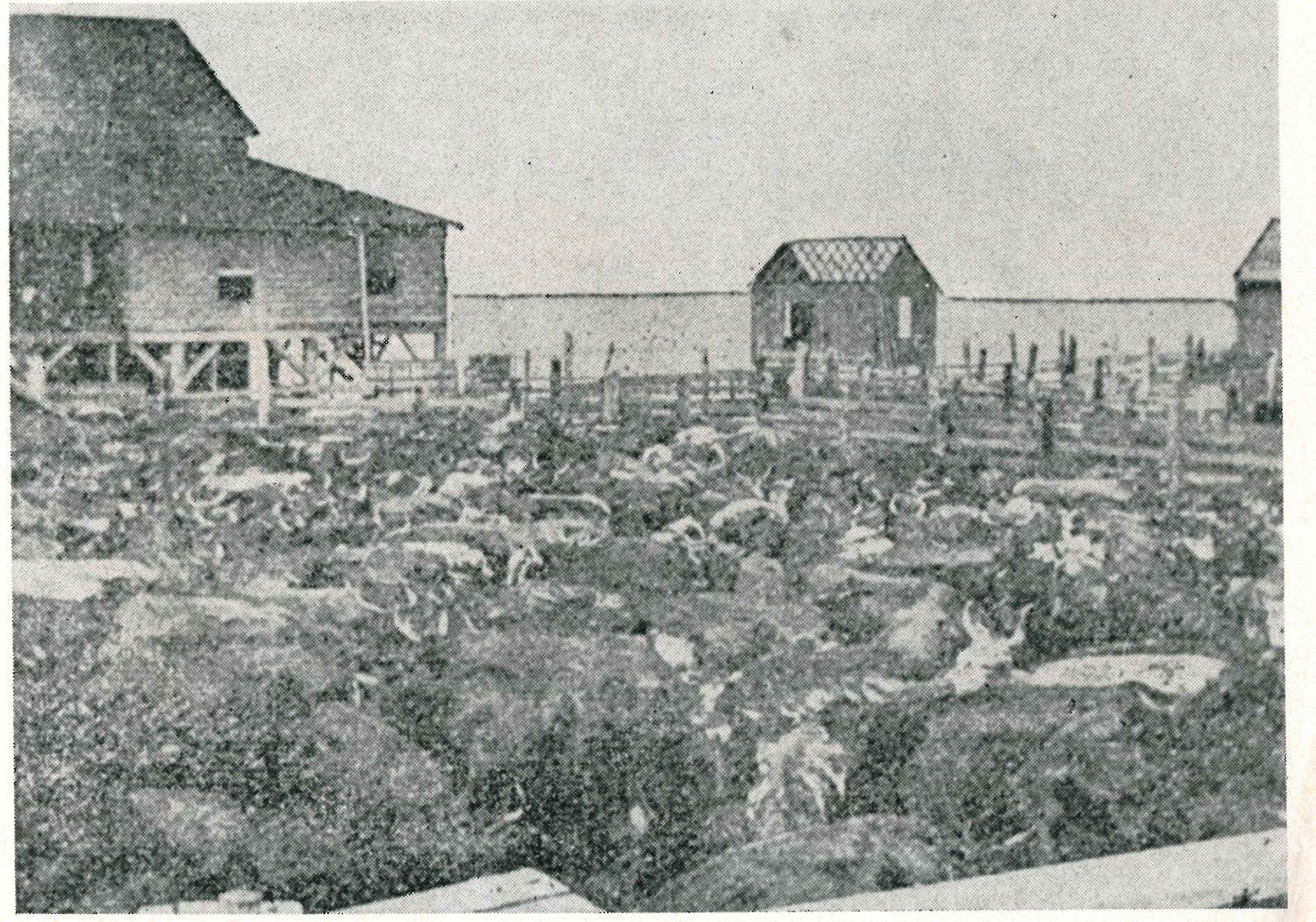
After the Civil War, Jacob Summerlin helped turn the point into a major cattle-shipping center. Herds driven across South Florida ended their journey there before being loaded onto vessels bound for Cuba. The route to Punta Rassa brought cattlemen through Fort Myers, helping fuel the early growth of the town.
At the same time, Punta Rassa became part of an important communications network. In the late 1860s, the International Ocean Telegraph Company established a station there, linking Cuba, Key West, and the mainland through underwater cable and telegraph lines.
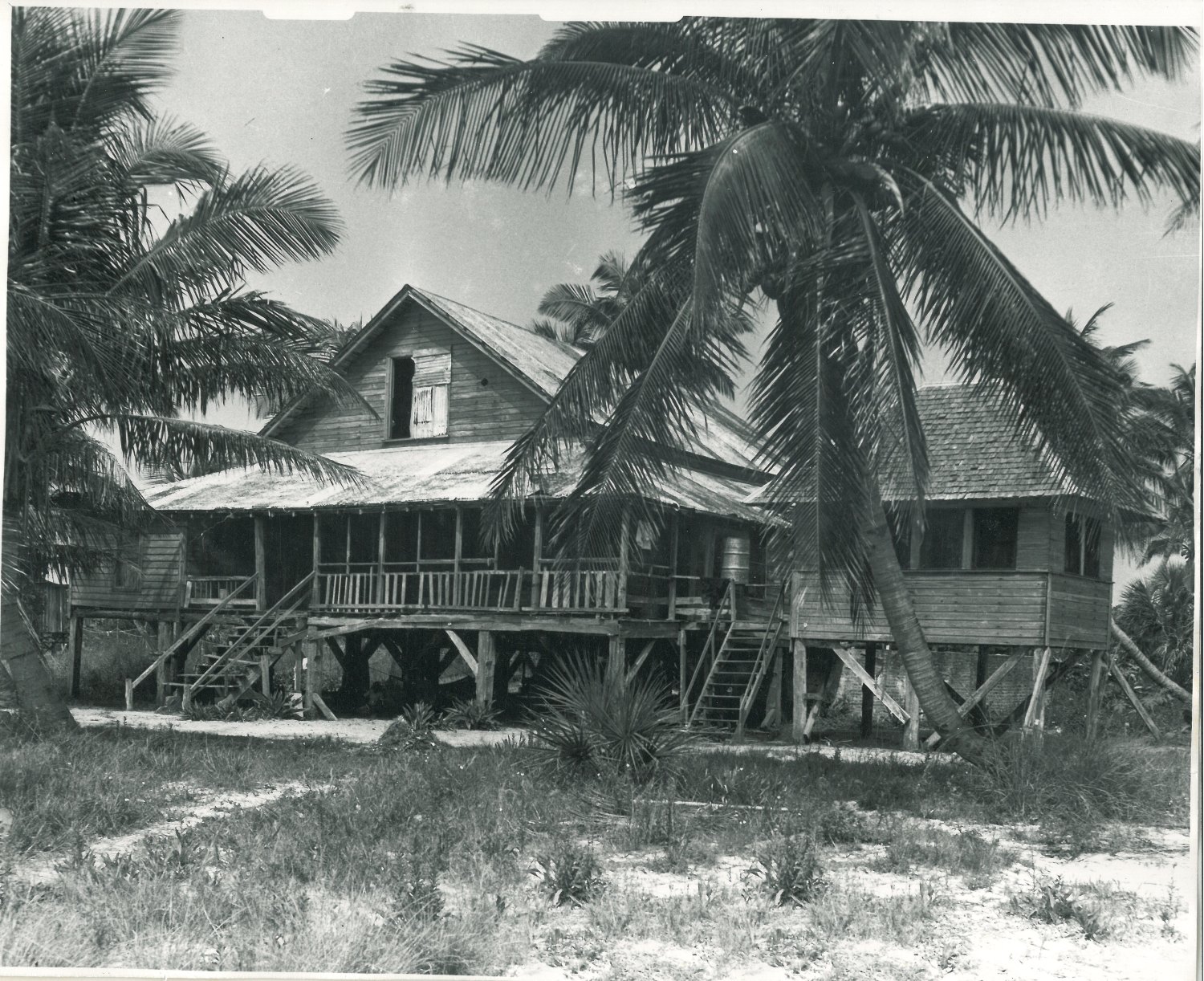
The old military and cattle facilities also began to serve travelers. Lodging that first catered to cattlemen gradually evolved into accommodations for another growing group: sport fishermen.
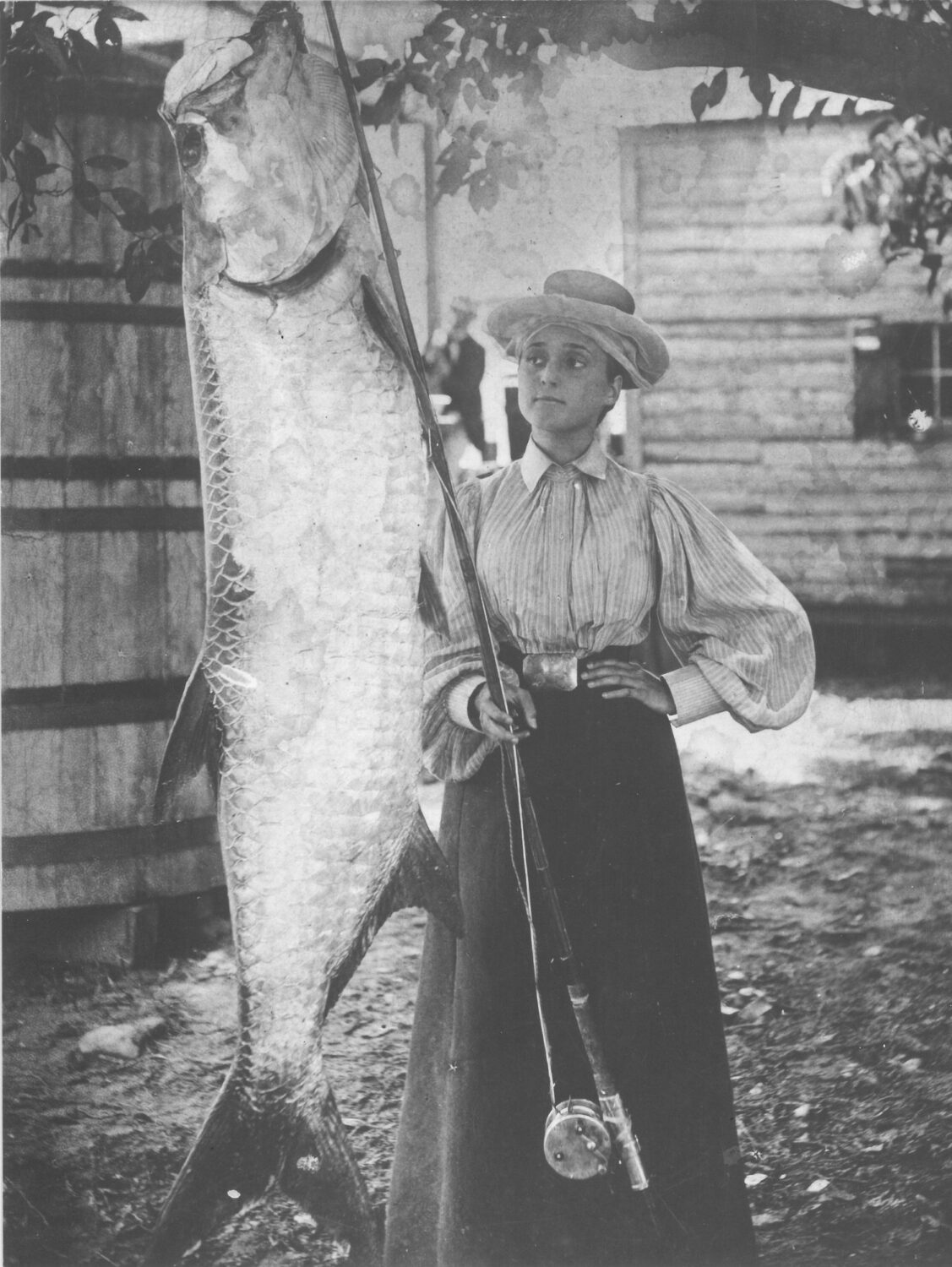
That transformation accelerated in 1885, when New York sportsman W.H. Wood was widely credited with catching the first tarpon on rod and reel near Punta Rassa. The catch attracted national attention and helped make Southwest Florida a destination for affluent anglers seeking tarpon and other Gulf game fish.
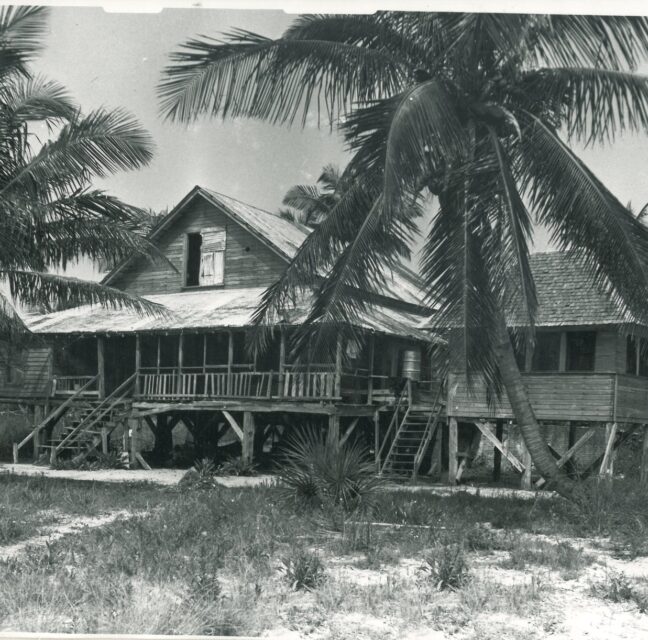
What had been a military post and cattle port became one of the region’s earliest sport-fishing destinations. The old Summerlin and Shultz operations evolved into lodging for visiting anglers, including the Tarpon House, which became well known among wealthy winter sportsmen. After the original hotel burned in 1906, a larger replacement was built. It too disappeared after another fire in 1913.
Punta Rassa also played a role in national events. On the night of February 15, 1898, the battleship USS Maine exploded in Havana Harbor. News traveled rapidly through the cable and telegraph system connecting Cuba, Key West, Punta Rassa, and the rest of the country. During the Spanish-American War, the station became an important relay point for government and military communications.
By the early twentieth century, Punta Rassa’s importance began to fade. The cattle trade declined, transportation patterns changed, and newer destinations drew visitors elsewhere. Later, ferries operated from Punta Rassa to Sanibel until the Sanibel Causeway opened in 1963.
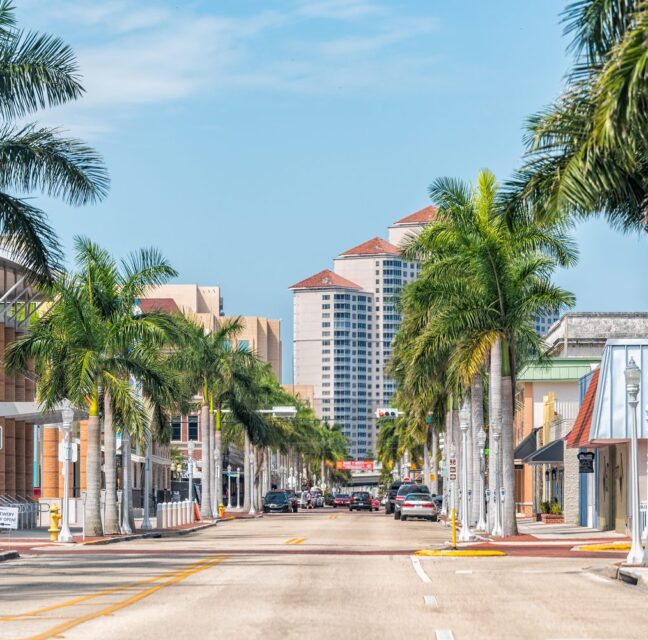
Today, Punta Rassa is easy to overlook. Yet that small point of land helped shape nearly every stage of Southwest Florida’s early development. It served as a fishing settlement, military post, cattle port, telegraph station, sport-fishing destination, and gateway to Sanibel.
Long before Fort Myers became the center of the region, Punta Rassa helped make that growth possible.
Learn more local history at IMAG History & Science Center—where Southwest Florida’s stories come to life.
Love what you're reading?
Get the best of Fort Myers delivered to your inbox every month — local stories, events, and good news worth sharing.
Subscribe for Free