


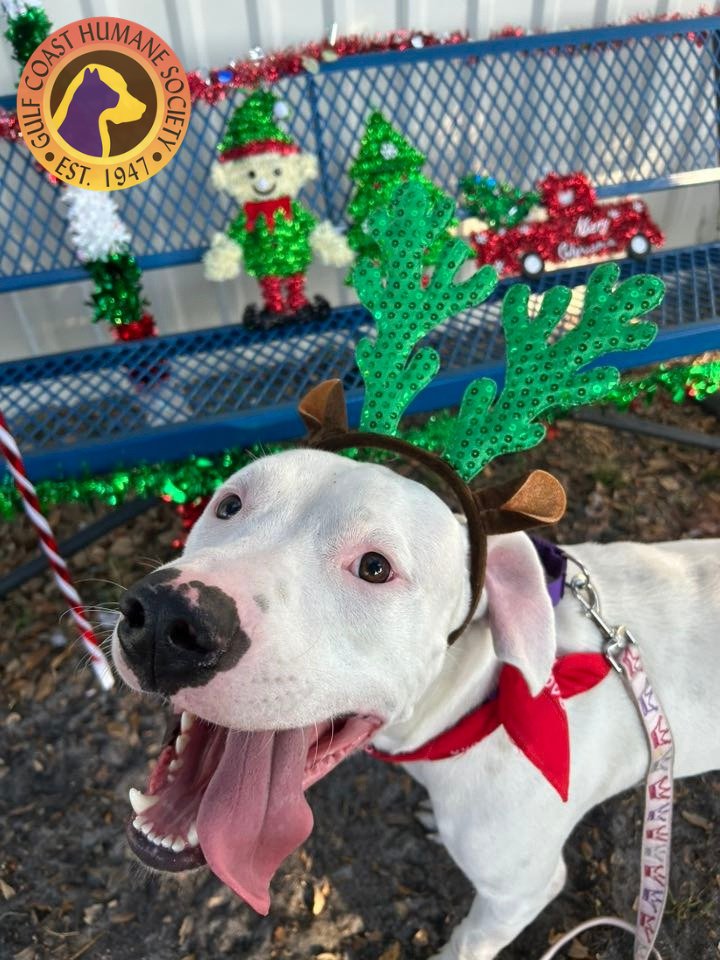
December is a busy time of year for most of us. Between holiday shopping, decorating, family gatherings, and travel, our normal routines tend to go out the window. For those of us with pets, it’s also a time to pay a little extra attention to what’s happening around the house.
Most people know chocolate is dangerous for dogs, but there are plenty of other holiday foods that can cause problems. Grapes, raisins, onions, garlic, alcohol, and products containing xylitol, a sugar substitute, can all be toxic to pets. Rich, fatty foods can also lead to serious digestive problems, including pancreatitis. And while it may be tempting to share the holiday turkey, cooked bones can splinter or cause intestinal blockages.
Decorations can create their own problems. Cats are notorious for finding things they shouldn’t play with, and tinsel, ribbon, and ornaments can be especially dangerous if swallowed. Electrical cords, candles, and unsecured Christmas trees also deserve some attention. And if you have cats, be particularly careful with lilies, which can cause life-threatening kidney damage.
Then there are the holiday gatherings. Some pets love having a house full of people, while others would much rather be left alone. Make sure they have somewhere quiet to go if they need a break, and remind guests to be careful with doors and gates. It’s also a good time to make sure your pet’s identification and microchip information are current.
Here in Southwest Florida, we also have New Year’s fireworks to think about. Even dogs that are normally calm can become frightened by sudden loud noises. Keeping pets indoors, providing a quiet space, and making sure they’re securely leashed when outside can help prevent a frightened pet from running away.
If your pet does get into something dangerous, don’t wait for symptoms to appear before contacting a veterinarian. The ASPCA Animal Poison Control Center is available at (888) 426-4435, and it’s worth knowing where your nearest emergency veterinary hospital is located before you need one.
Those are all important reminders, but there’s another holiday topic I want to talk about because it comes up every year in animal welfare: giving pets as gifts.
For as long as I can remember, there has been a strong belief that pets should never be given as gifts, particularly at Christmas. Some shelters have policies against it, and I’ve worked with plenty of people over the years who feel very strongly about the issue.
I understand the concern. A dog or cat is a long-term commitment, not something to purchase on impulse or give to someone who hasn’t expressed an interest in having a pet. But I also think it’s important to look at what the research actually tells us rather than relying on assumptions.
A study published in 2013 examined the experiences of people who received dogs or cats as gifts. Researchers found no significant relationship between receiving a pet as a gift and the recipient’s attachment to that animal. In fact, 96% of respondents reported that receiving the pet as a gift either increased their attachment or made no difference, and 86% of the pets were still living in their homes when the survey was conducted.
That doesn’t mean every pet should be a surprise Christmas present, and the study certainly doesn’t tell us that every gift adoption will work out. But it does challenge the longstanding belief that pets received as gifts are automatically more likely to be surrendered.
I think there’s an important distinction between an impulsive decision and a thoughtful one.
If someone has never expressed an interest in owning a dog, surprising them with a puppy probably isn’t a great idea. But what about a family that has been talking about adopting for months? Or a parent who wants to help their adult child adopt a pet they’ve been planning for? Why should December make that adoption any less appropriate than one in March or August?
The same questions we should ask about any adoption still apply. Does the person want a pet? Do they have the time, resources, and ability to provide proper care? Is the animal a good fit for their household and lifestyle? And are they prepared for the responsibility beyond the excitement of bringing a new pet home?
If the answers are yes, I don’t believe the fact that it’s a holiday should automatically be a reason to discourage the adoption.
There are also ways to make a pet part of a holiday gift without making the animal itself a surprise. Someone can offer to pay the adoption fee and let the recipient visit the shelter to find the right match. Involving the future owner in the decision is often the best approach, particularly when choosing a dog whose personality, energy level, and needs need to fit that person’s life.
Of course, timing matters, too. A household full of visitors, holiday travel, and a constantly changing schedule may not be the ideal environment for introducing a new pet. For some families, waiting until things settle down after the holidays makes more sense.
At Gulf Coast Humane Society, our goal is to find lasting, successful matches between pets and people. That doesn’t change because it’s December.
I don’t think we need a blanket rule that says pets should never be given as gifts. I think we need people to make responsible decisions, understand the commitment they’re making, and choose a pet that’s right for them.
Whether an adoption happens during the holidays or any other time of year, that’s what matters.
Love what you're reading?
Get the best of Fort Myers delivered to your inbox every month — local stories, events, and good news worth sharing.
Subscribe for Free