
Four Eastern cottontails, a barred owl and an anhinga.
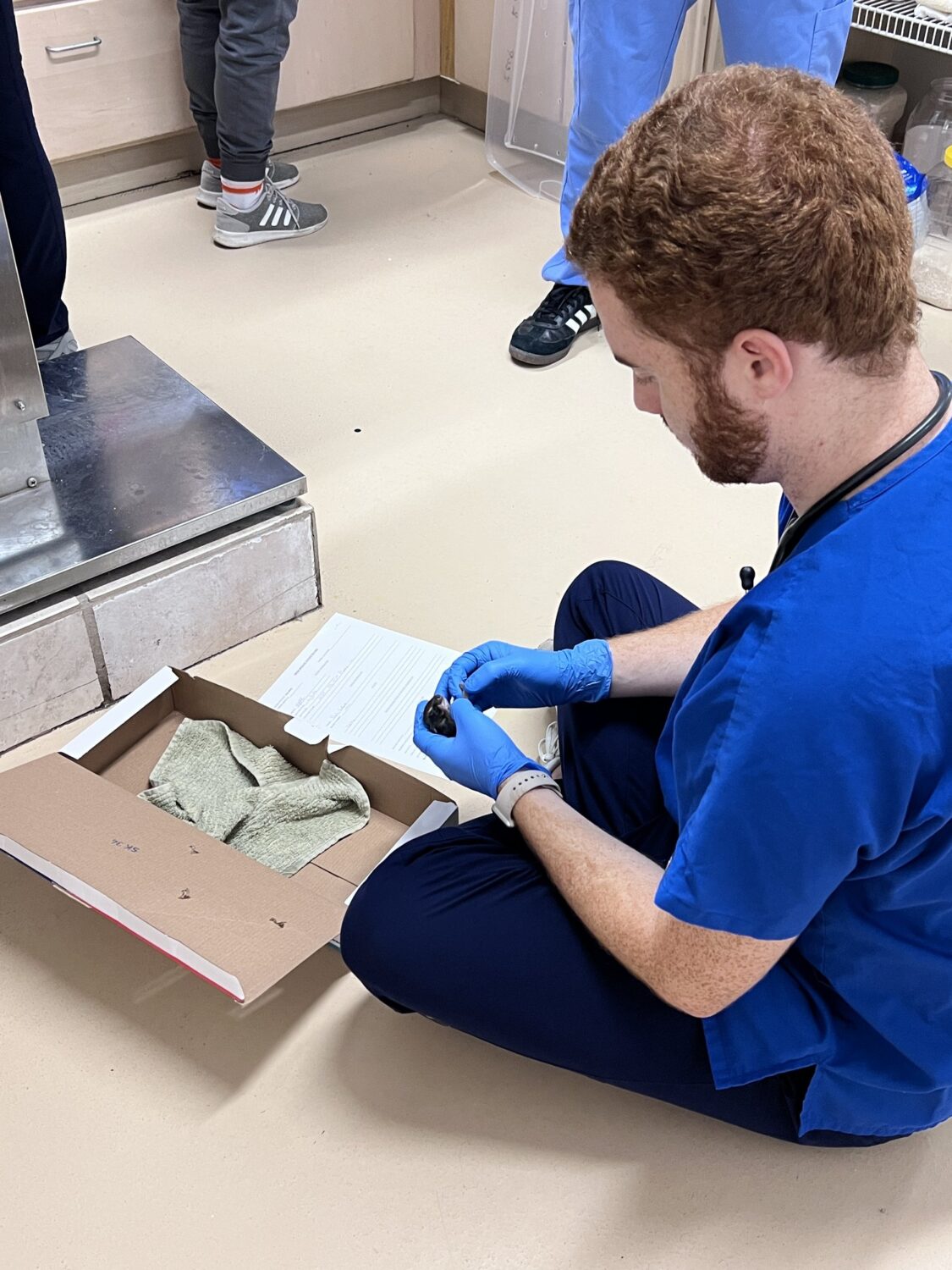
All in a random cardboard box with a piece of paper – that may or may not have the correct animal identification on it because a community member might not have known what it is (and that’s OK!).
That’s just a glimpse of the wildlife arriving at the Clinic for the Rehabilitation of Wildlife (CROW) on Sanibel Island the day this was written.
Over the weekend, our patient intake list was even longer: a yellow-billed cuckoo, gopher tortoises, eastern gray squirrels, eastern cottontails, an American herring gull, an osprey, and a black-and-white warbler, brown pelican, big brown bat, laughing gull, fish crow, burrowing owl, northern mockingbird and peninsula cooter.
From tiny songbirds to large seabirds, mammals and reptiles, no two patients arrive with quite the same needs. In fact, at CROW, we treat more than 200 species each year. (To date in 2026, we are at 207 species and 4929 patients.)
Some animals come directly to our wildlife hospital. Others begin their journey in a cardboard box or pet carrier at one of our veterinary partner locations across Lee County.
For the animal inside that box, the ride to Sanibel is the beginning of a second chance.
For our staff and volunteers, it’s a feeling of hope that never goes away.
And behind every pickup, every medical examination, every prepared meal and every release is a community that makes CROW’s work possible.
Dec. 1 is Giving Tuesday. It’s a fitting time to look at what happens between rescue and release — and the many ways your generosity helps wildlife get there.
The Partners Behind the Pickups
CROW’s wildlife hospital may be on Sanibel Island, but the animals that need our help are found throughout Southwest Florida.
For someone who discovers an injured or orphaned wild animal in Cape Coral, Fort Myers or Lehigh Acres, getting to Sanibel isn’t always easy. That’s why our veterinary partners are such an important part of CROW’s rescue network. (We typically see more patients from Cape Coral and Fort Myers than Sanibel Island!)
Six veterinary clinics and emergency animal hospitals across Lee County serve as designated wildlife drop-off locations, giving community members more convenient places to bring animals that need help.
Our partners include Animal Medical Center, BluePearl Pet Hospital, VCA Coral Animal Hospital, East West Veterinary Care Center, Edison Park Animal Hospital and VEG ER for Pets.
There is no charge to drop a wild animal at our partners, and there is no bill for care or transportation for community members who rescue our patients.
Once a wild animal is at our partners, a CROW staff member or volunteer brings it to our hospital for evaluation and care.
These pickups are an essential part of the work that happens before a patient reaches our team. They take time, coordination, and people willing to help.
And when that animal finally arrives at CROW, another important part of its journey begins.
What Happens After the Box Arrives?
Sometimes volunteers’ cars arrive stacked with 40 boxes, in various shapes and sizes, punched with air holes. Sometimes there are a couple of boxes.
Each is a gift, a chance for a CROW staff member or student to make a difference in everything from a small frog to a large eagle.
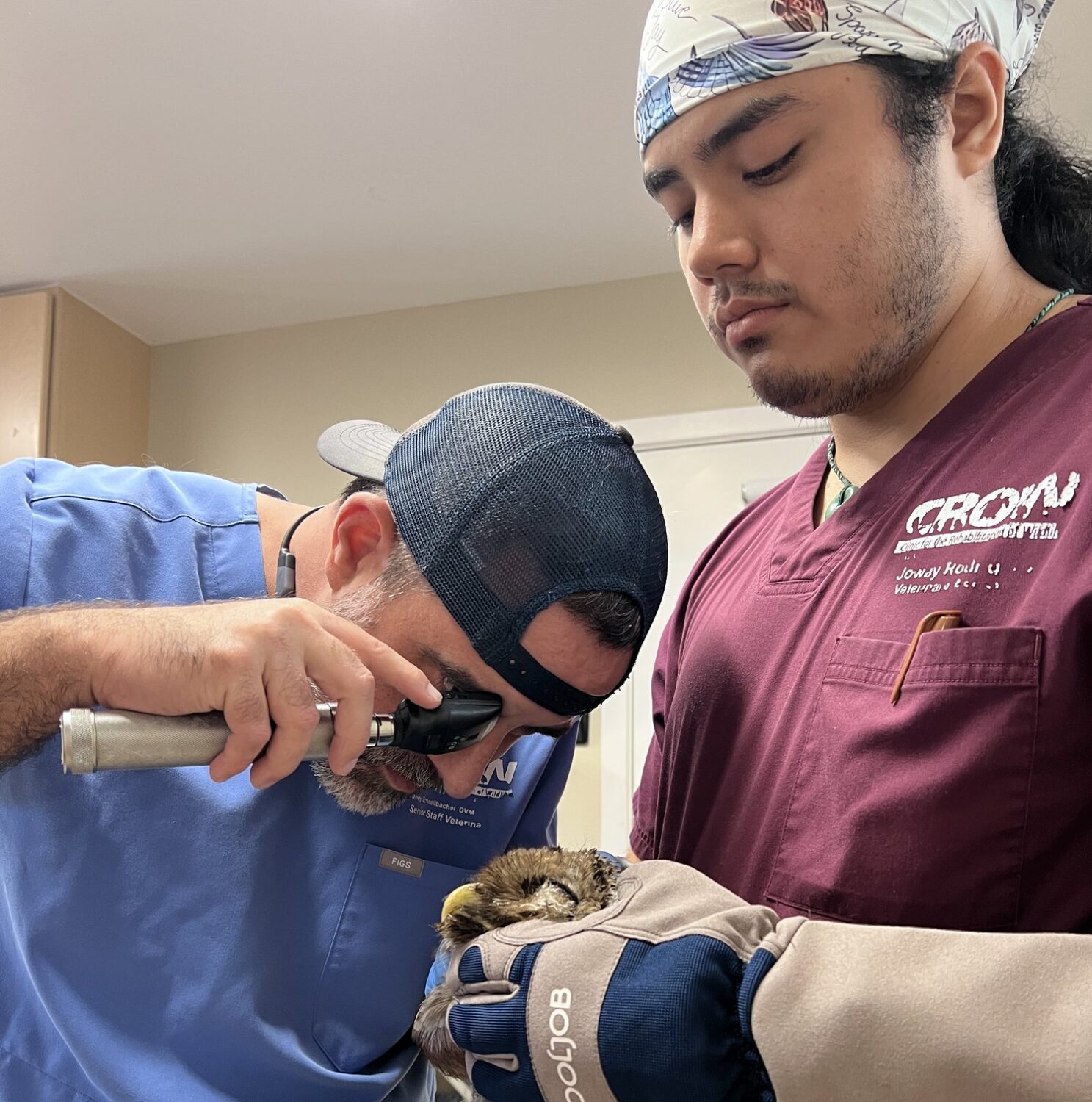
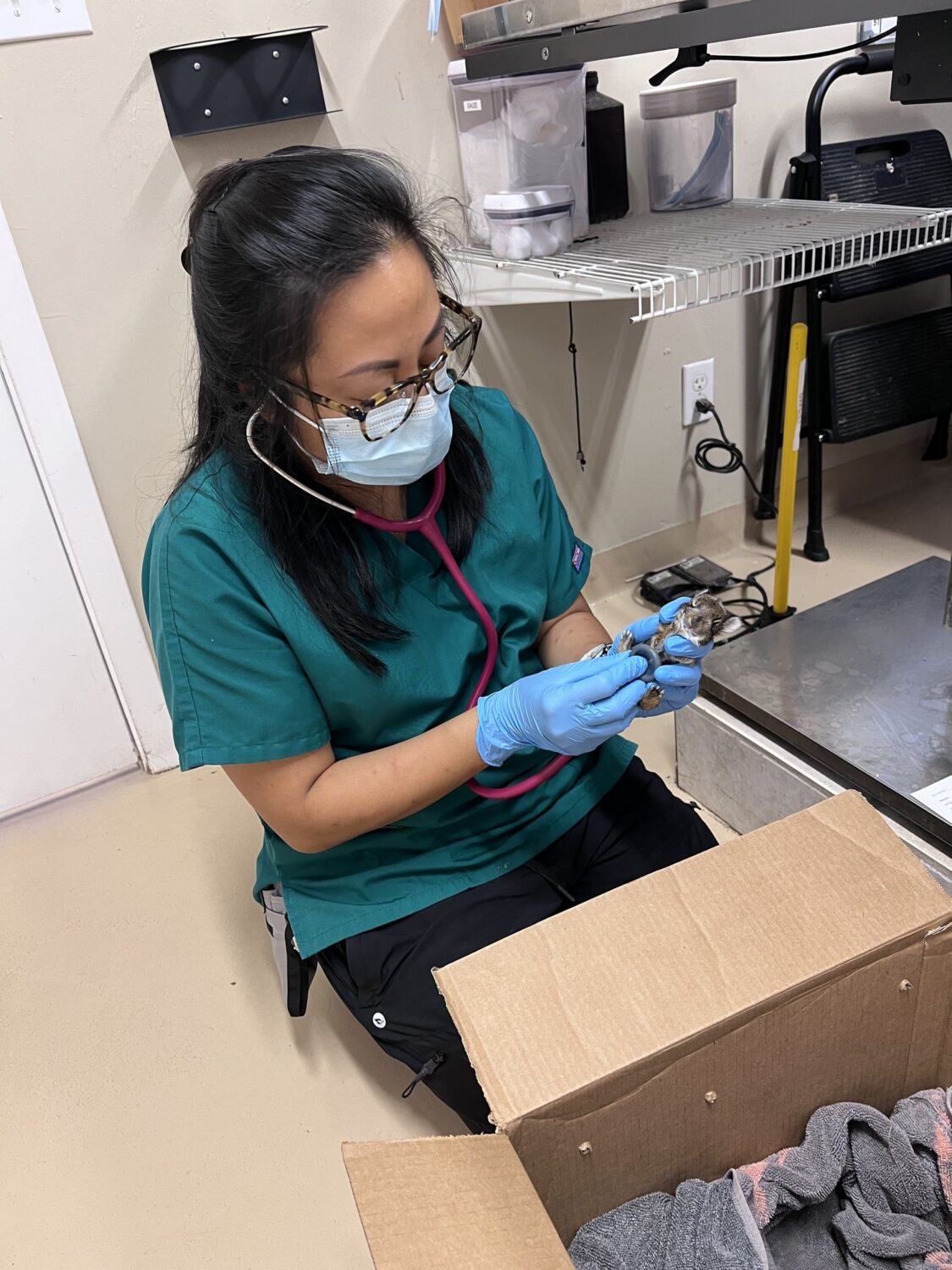
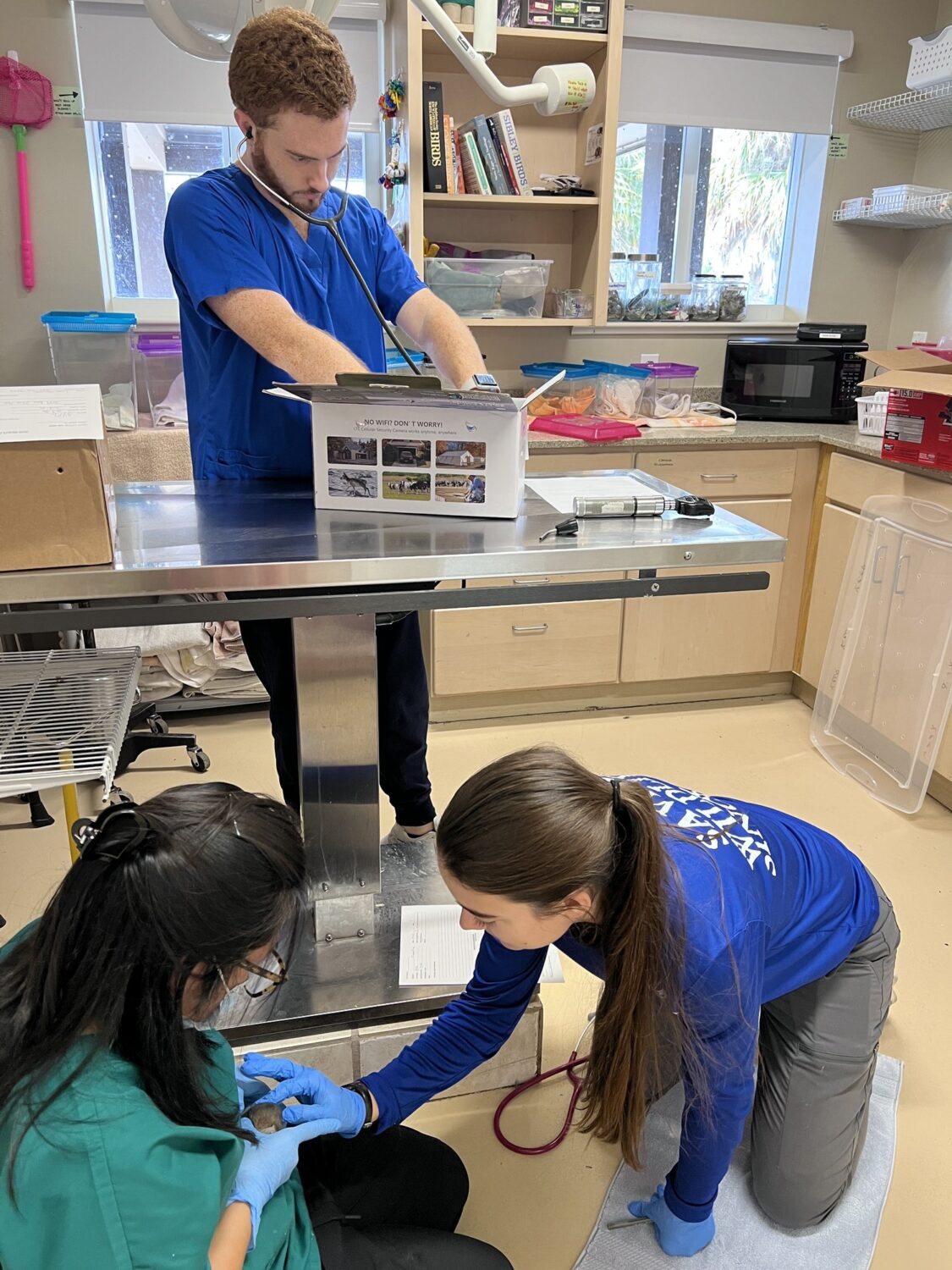
Our medical team evaluates each animal and creates a patient plan with the goal of releasing it back to the wild when it is healthy and ready.
Some patients need diagnostic testing, medications, surgery, or specialized care. Others require supportive care, carefully prepared diets, and time to grow or recover.
And the work doesn’t stop when the immediate medical emergency has passed.
Rehabilitation can mean days or weeks or months of feeding, cleaning, monitoring, and providing enrichment that encourages natural behaviors. It takes veterinarians, veterinary technicians, wildlife rehabilitators, students, interns, and volunteers working together to give patients the best possible chance of returning to the wild.
For every animal that eventually leaves CROW, there is a tremendous amount of care that most people never see.
That’s where our community comes in.
Giving Tuesday Is Just the Beginning
Giving Tuesday is one day dedicated to generosity (you can take part here). For CROW, it’s an opportunity to recognize the people who make our mission possible and invite others to become part of it.
A donation to CROW helps support the daily needs of our wildlife hospital and our patients.
But supporting wildlife doesn’t have to begin and end on Giving Tuesday. There are many ways to make a difference throughout the year:
Become a CROW Member: Membership is a way to make your commitment to wildlife conservation part of your entire year.
Make a Gift in Someone’s Memory or Honor: Sometimes the most meaningful gift isn’t something that can be wrapped. It’s a meaningful tribute that carries a love of wildlife forward.
Every Gift is Part of an Animal’s Story
It’s easy to think of wildlife rehabilitation in terms of the big moments: a dramatic rescue, a complicated surgery or the excitement of watching an animal return to the wild.
But the moments in between matter just as much.
A volunteer making another trip to a veterinary partner. A staff member preparing meals for various species. A veterinary technician checking on a recovering patient. A rehabilitator making sure an animal is ready for life outside the hospital.
The thousands of patients that come through CROW’s doors each year depend on a network of people who care enough to act.
The CROW Clinic is open 7 days a week, 365 days a year.
This Giving Tuesday and throughout the holidays, we invite you to become part of that network. Make a gift, become a member, or honor someone special.
Because that cardboard box arriving at CROW isn’t the end of a rescue.
It’s the beginning of a second chance. And your support helps us make that happen.

Love what you're reading?
Get the best of Fort Myers delivered to your inbox every month — local stories, events, and good news worth sharing.
Subscribe for Free