In Southwest Florida, sharing the road doesn’t always mean sharing it with another driver. Sometimes, the traveler ahead has four legs, a shell, and somewhere very important to be.
Gopher tortoises are a familiar part of our landscape, but encounters with cars, dogs, lawnmowers, and other hazards can turn dangerous. At the Clinic for the Rehabilitation of Wildlife (CROW) on Sanibel Island, we see the consequences firsthand.
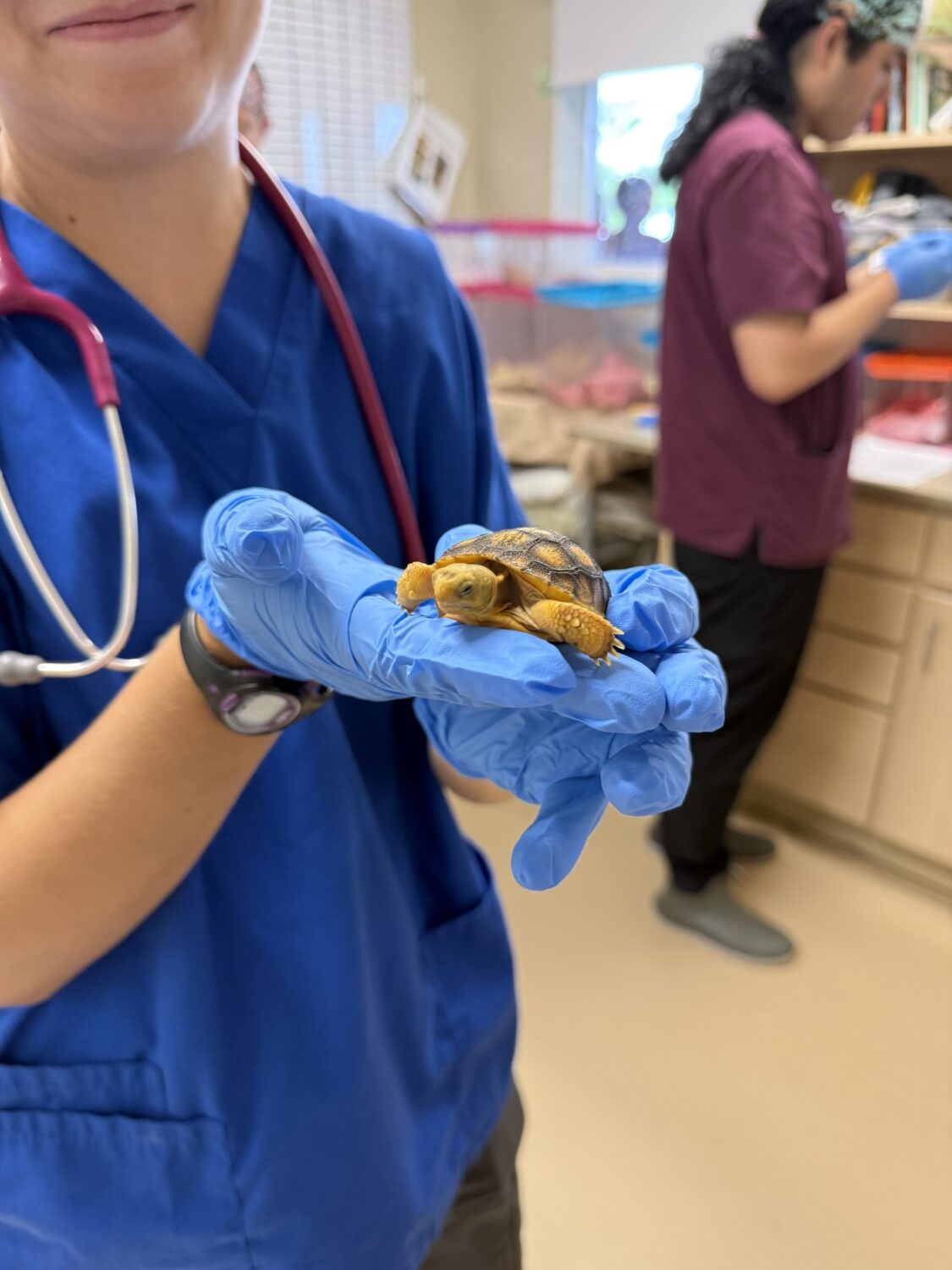
Since 2018, CROW has admitted more than 1,040 gopher tortoises to our wildlife hospital. So far this year, 91 have been admitted, and last year, there were 139. At the time this was published, we had 18 in our care.
That’s 18 gopher tortoises that need medical care, rehabilitation, and a fresh diet until they are ready to be released back into the wild.
Built Tough, Not Invincible
It may look like just strong armor, but a gopher tortoise’s shell also is a living part of its body.
The shell contains bones, blood vessels, and nerves. Tortoises can feel through their shells, which means an injury to their shell can be painful and serious.
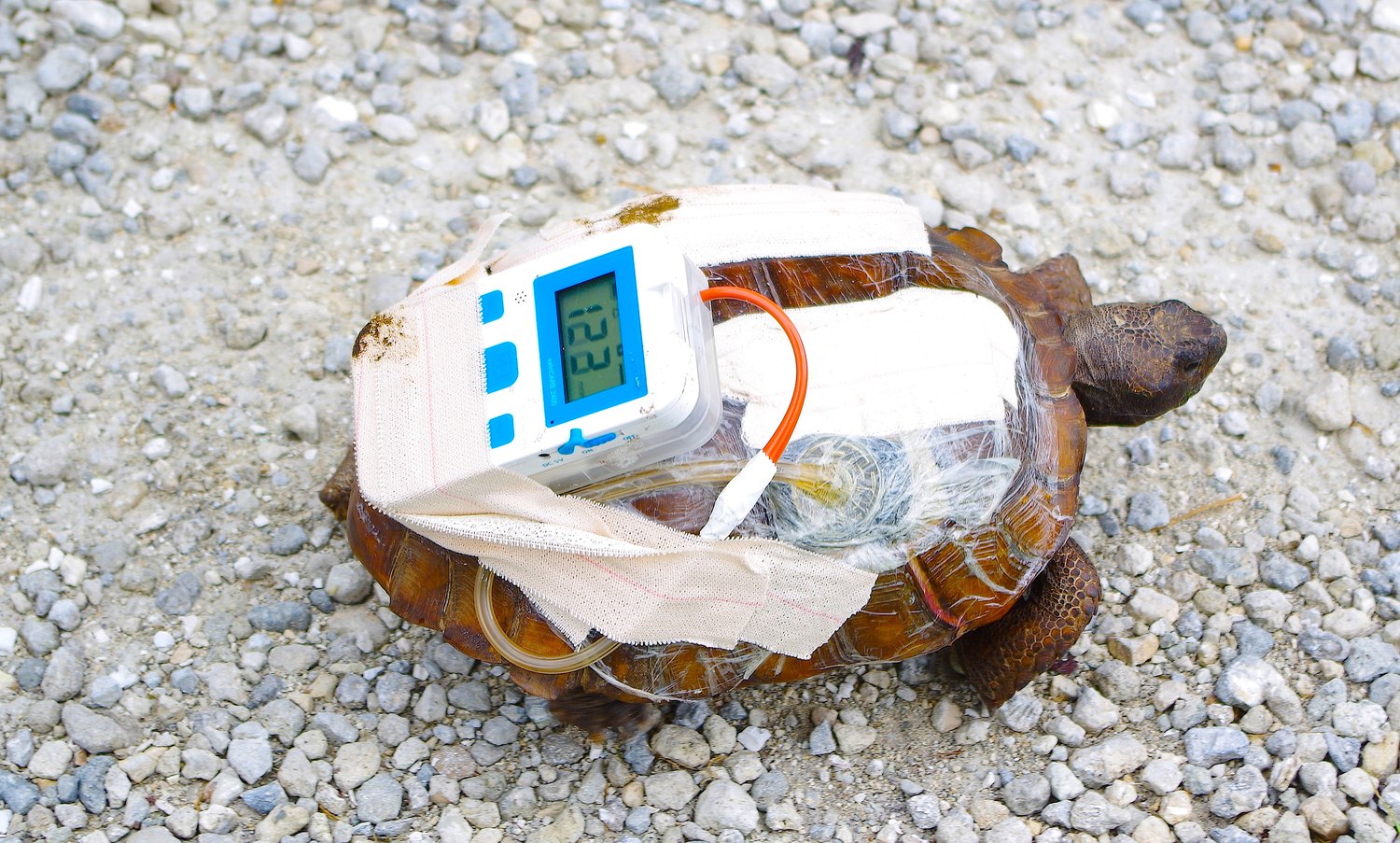
Gopher tortoises also come to CROW with other injuries.
The good news? Even a badly cracked shell, lacerated foot, trauma to its head, or entanglement in fishing line is not a reason to lose hope.
Give Them a Brake
Gopher tortoises know where they want to go, even if getting there means crossing a road.
If you encounter an uninjured tortoise on the roadway and it is safe for you to help, move it to the other side in the same direction it was already traveling.
Your safety matters, too. Never put yourself in danger or stop in an unsafe location to assist an animal.
It can also be tempting to take a tortoise to a park or preserve that seems like a better home. Please don’t. Gopher tortoises are protected in Florida and should not be relocated by members of the public.
If the tortoise appears injured, don’t release it on the other side of the road and assume it will recover on its own. Move it out of immediate danger if you can safely do so and call CROW or your local wildlife rehabilitation clinic.
More Than One Species Calls a Burrow Home
When you protect a gopher tortoise, you’re helping more than one animal.
Gopher tortoises are considered a keystone species because of the important role their burrows play in Florida’s ecosystems. Their underground homes provide shelter for hundreds of other species, offering refuge from predators and extreme weather.
Gopher tortoises are powerful diggers, using their strong front legs to excavate into Florida’s sandy soils and create a relatively stable environment underground.
Fueling Their Recovery
What does feeding an injured gopher tortoise look like?
CROW’s rehabilitation team prepares fresh diets based on factors such as the tortoise’s age, condition, and where it is in the recovery process. A meal may include Romaine lettuce, watermelon, Hibiscus flowers, bell peppers, and other produce and vegetation. We also top their diet with tortoise food that has grasses, botanicals, probiotics, calcium, and bee pollen for added nutrition.
We have an EXTRA-large recipe book! (The average cost to feed an adult gopher tortoise at CROW is $130-$140 every month.)
Recovery, however, doesn’t just involve specialized diets and medication. That’s where enrichment comes in.
Gopher tortoises are natural grazers. In the wild, they spend time moving through their habitat, exploring and feeding on available vegetation. When a patient’s medical condition allows, CROW gives them opportunities to do that here, too.
Volunteers help take certain gopher tortoise patients outside to graze, where they can forage, explore, and move through a more natural environment.
Are you interested in being a volunteer? CROW’s next volunteer orientations will be held from 3 to 5 p.m. Nov. 4 and Dec. 4. Registration is required to attend. Learn more at crowclinic.org.
The Biggest Tortoise Through CROW’s Doors
We’ve cared for gopher tortoises of all sizes. But one patient required a little more room on the scale.
In November 2018, Park Rangers at Koreshan State Park noticed a gopher tortoise acting lethargic and showing signs of illness.
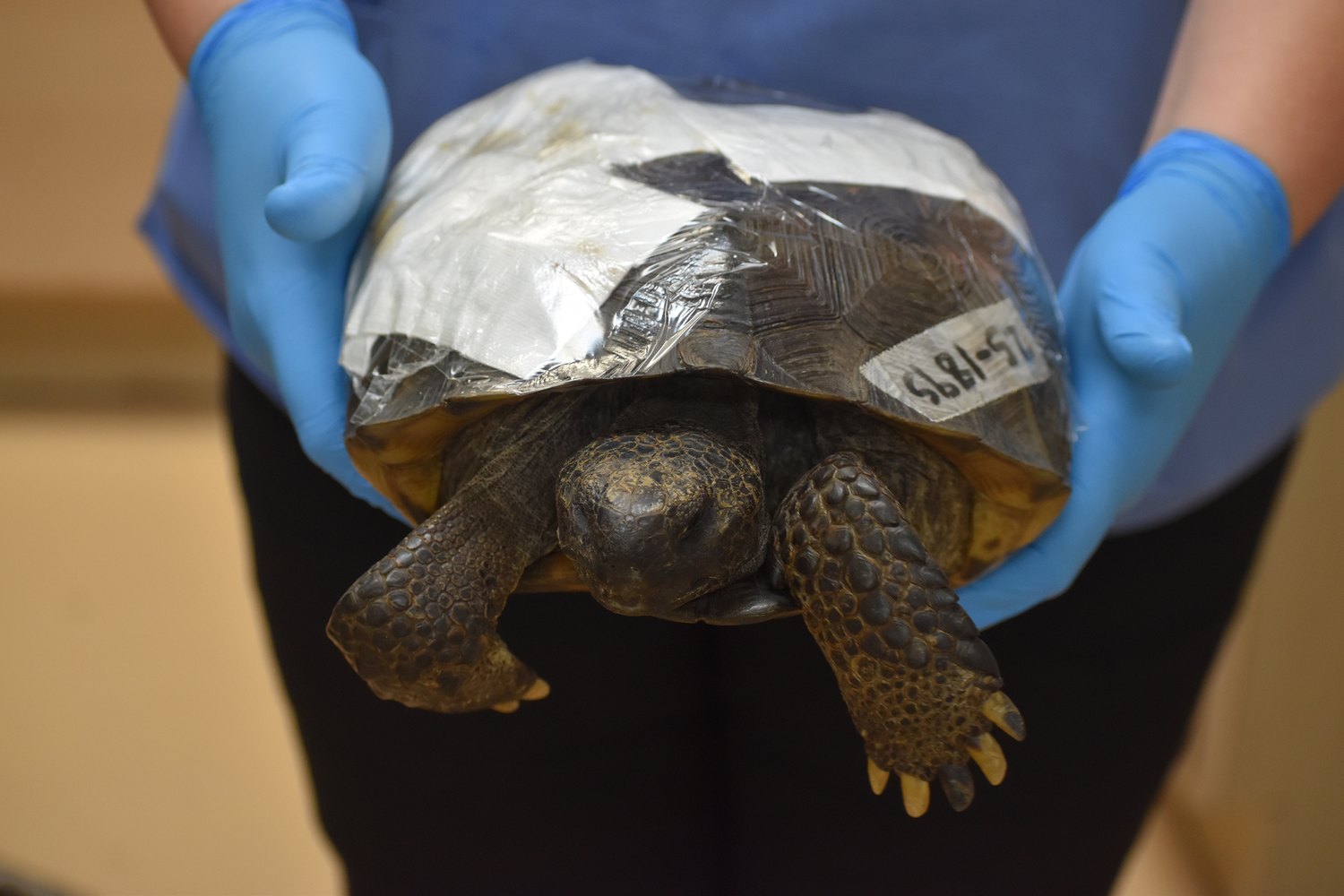
The tortoise weighed an extraordinary 33.64 pounds, with a shell measuring 17.32 inches long. It was estimated to be more than 50 years old.
At the time, its measurements exceeded those of the previous Florida record holder, a 32-pound tortoise recorded in 2016, making CROW’s patient likely the largest gopher tortoise recorded in Florida at the time.
A CROW Gopher Tortoise Patient in the National Geographic Photo Ark
One of CROW’s gopher tortoise patients has even found its way in front of the lens of one of the world’s best-known wildlife photographers.
Last year, CROW had the privilege of hosting National Geographic photographer and author Joel Sartore. Sartore is the founder of the National Geographic Photo Ark, a groundbreaking effort to document species before they disappear.
Among the animals selected to be photographed was a juvenile gopher tortoise being cared for at CROW.
For a patient from our wildlife hospital to become part of the Photo Ark was a special moment for CROW — and an opportunity for a threatened Florida species we work to protect to be represented through Sartore’s internationally recognized photography.
The photograph may feature one small gopher tortoise, but its story represents something much bigger: the importance of protecting the species and the wild places it calls home.
There will be a wildlife photograph from Sartore’s Photo Ark series with an autographed card in the WILD about CROW gala auction on January 16, 2027, at The Forest Country Club. To learn more about our fundraiser, visit crowclinic.org/support-crow/wild-about-crow.
Stay Wild
All of our gopher tortoise patients remind us how often the lives of people and wildlife intersect in Southwest Florida.
Each patient’s path is different, but the goals are the same: helping gopher tortoises heal and getting them back where they belong.
Back to the wild.

Love what you're reading?
Get the best of Fort Myers delivered to your inbox every month — local stories, events, and good news worth sharing.
Subscribe for Free