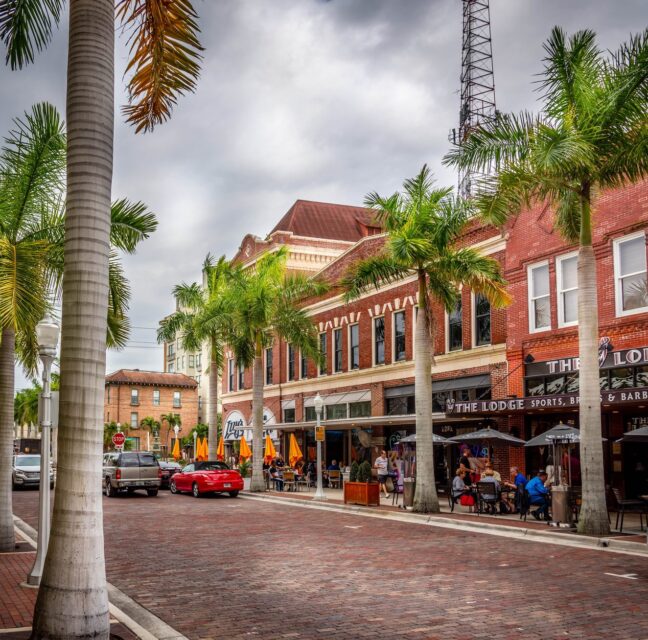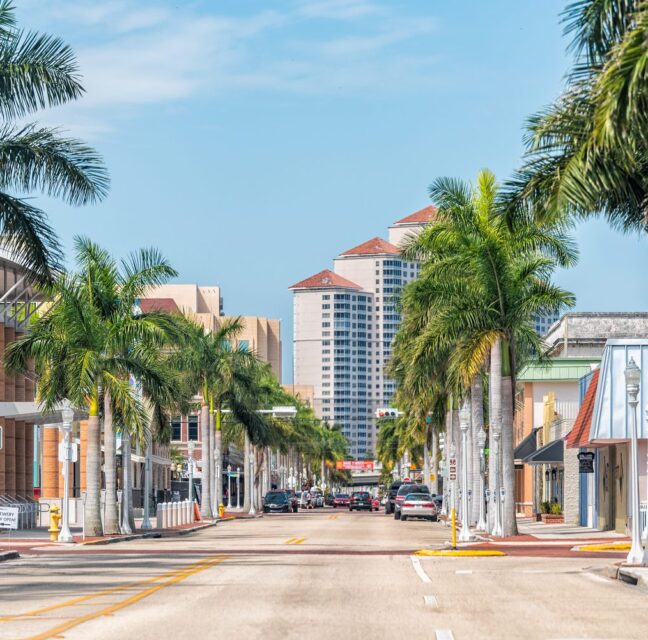

At the turn of the twentieth century, downtown Fort Myers was still little more than a collection of wooden buildings clustered near the Caloosahatchee. Over the next two decades, however, First Street would be transformed by two ambitious businessmen whose rivalry helped shape the city’s commercial center.
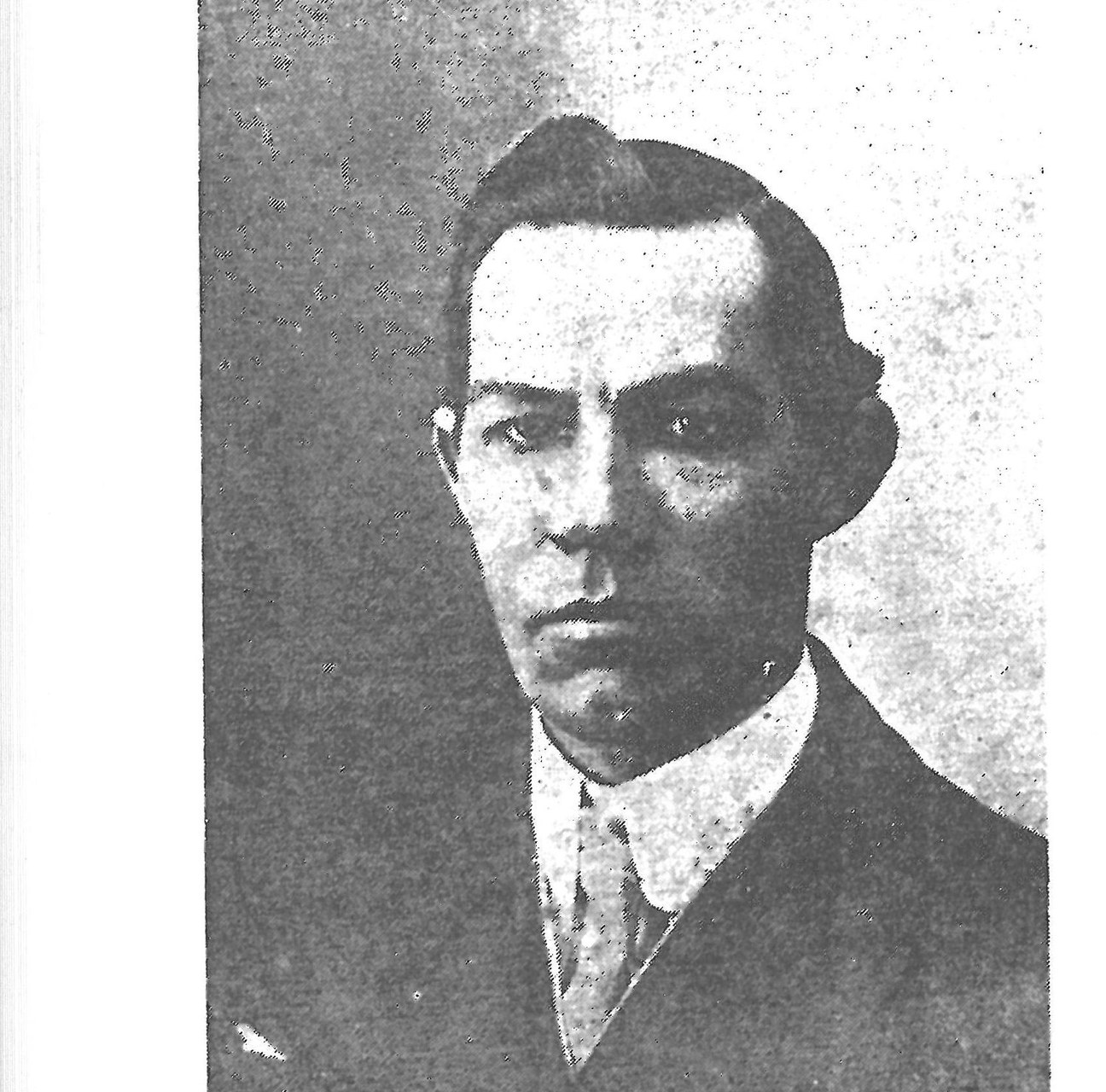
The first was Harvie Earnhardt Heitman.
In 1893, Heitman opened a small wooden store at the corner of First and Jackson streets. It was called a general store, but Heitman understood that Fort Myers was attracting a new kind of customer. Instead of limiting his inventory to the basic goods needed by local families, he stocked items desired by the wealthy yachtsmen and winter visitors arriving in town.
The strategy worked. His store became popular, profits grew, and Heitman developed friendships with some of Fort Myers’ most influential residents.
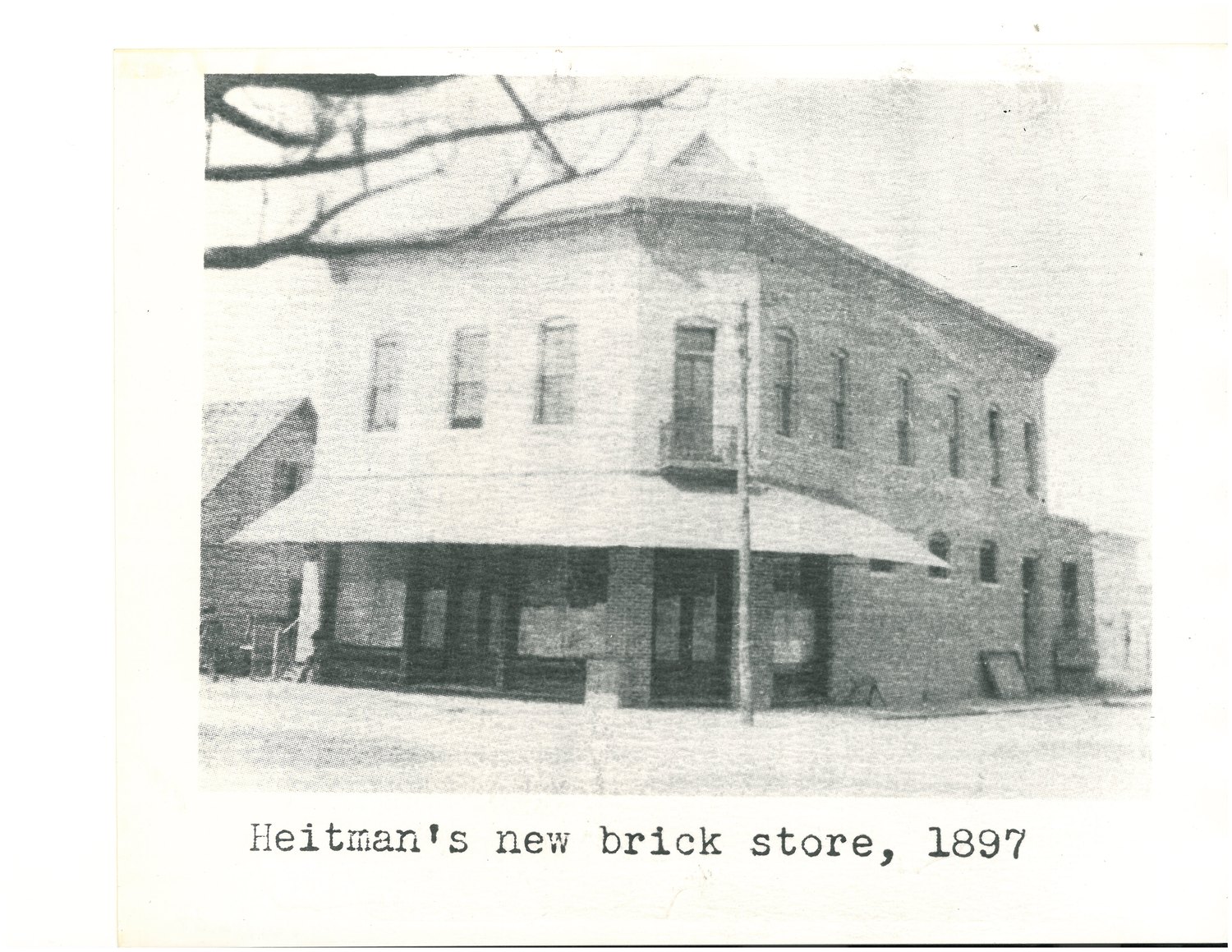
One of those customers was Ambrose McGregor. In 1897, McGregor encouraged Heitman to replace the wooden store with something more substantial. When Heitman explained that he could not afford the project, McGregor offered to finance it.
The resulting brick building was among the first of its kind in Fort Myers and remains the oldest surviving commercial building on First Street. Without realizing it, Heitman had begun a construction trend that would remake downtown over the next two decades.
Heitman’s influence soon expanded beyond retail. He enlarged the building and opened the Bank of Fort Myers, giving the growing town a locally controlled bank. By 1911, the bank had outgrown its original quarters, and Heitman constructed a new three-story building across First Street at the corner of Jackson. Both of those early Heitman buildings still stand today.
But Heitman would not remain unchallenged for long.
A RIVAL ARRIVES
Walter G. Langford, the son of a physician from Live Oak, Florida, came to Fort Myers as a developer and promoter. He became an important advocate for extending the Atlantic Coast Line Railroad into town, a development that opened Fort Myers to greater commerce, migration, and tourism.
With his influence growing, Langford entered the banking business. In 1905, he acquired the recently constructed Stone Block Building at First and Hendry streets and opened the Lee County Bank, creating the first serious challenge to Heitman’s Bank of Fort Myers. In 1908, Langford’s institution became the. First National Bank of Fort Myers.
The rivalry between the two men soon became visible in the buildings rising along First Street.
Heitman responded by strengthening his presence on the block between Jackson and Hendry. After Ambrose McGregor’s death, Heitman partnered with McGregor’s widow, Tootie McGregor, to build the Bradford Hotel. The 41-room hotel, named for the McGregors’ late son, opened in 1905 beside Heitman’s store and became one of the town’s most important social gathering places.
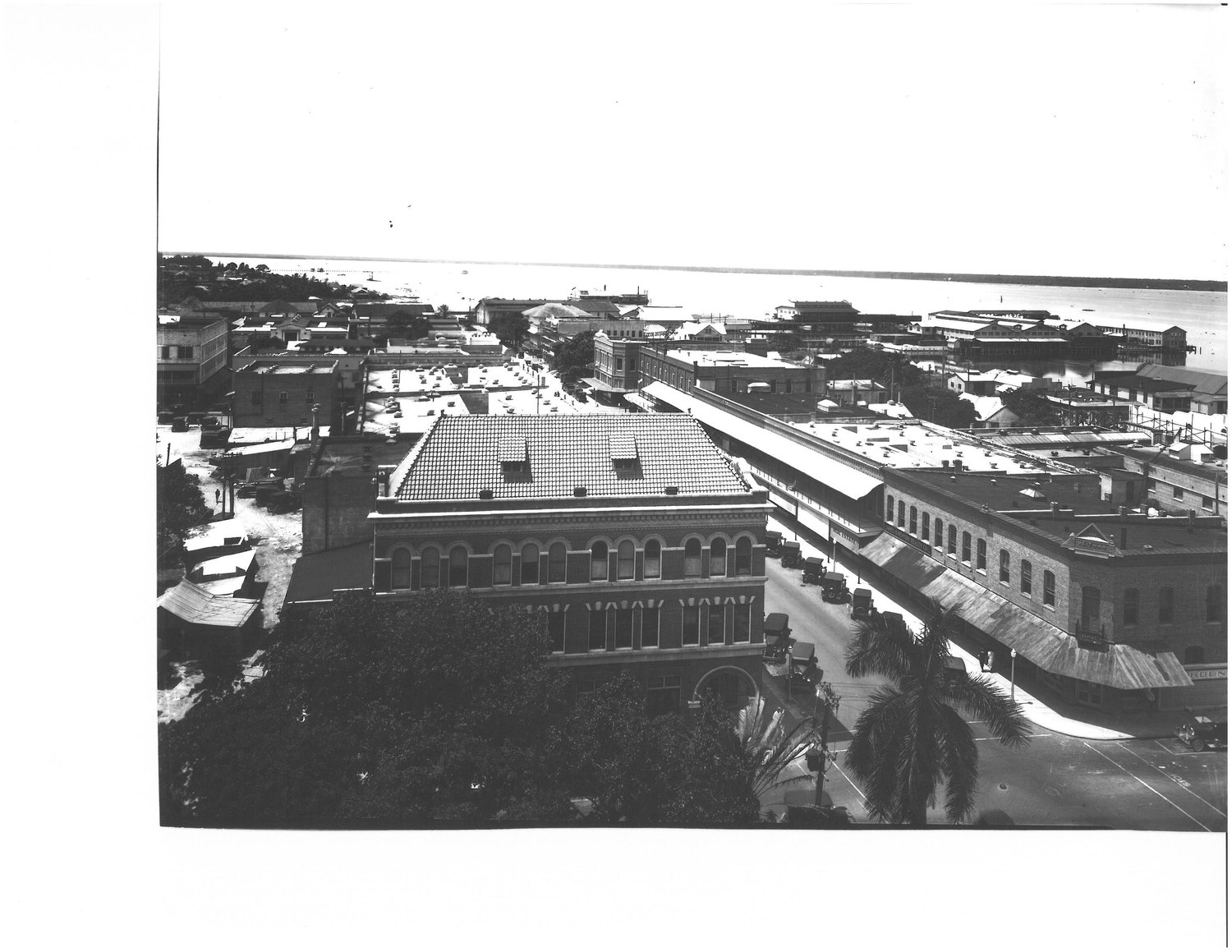
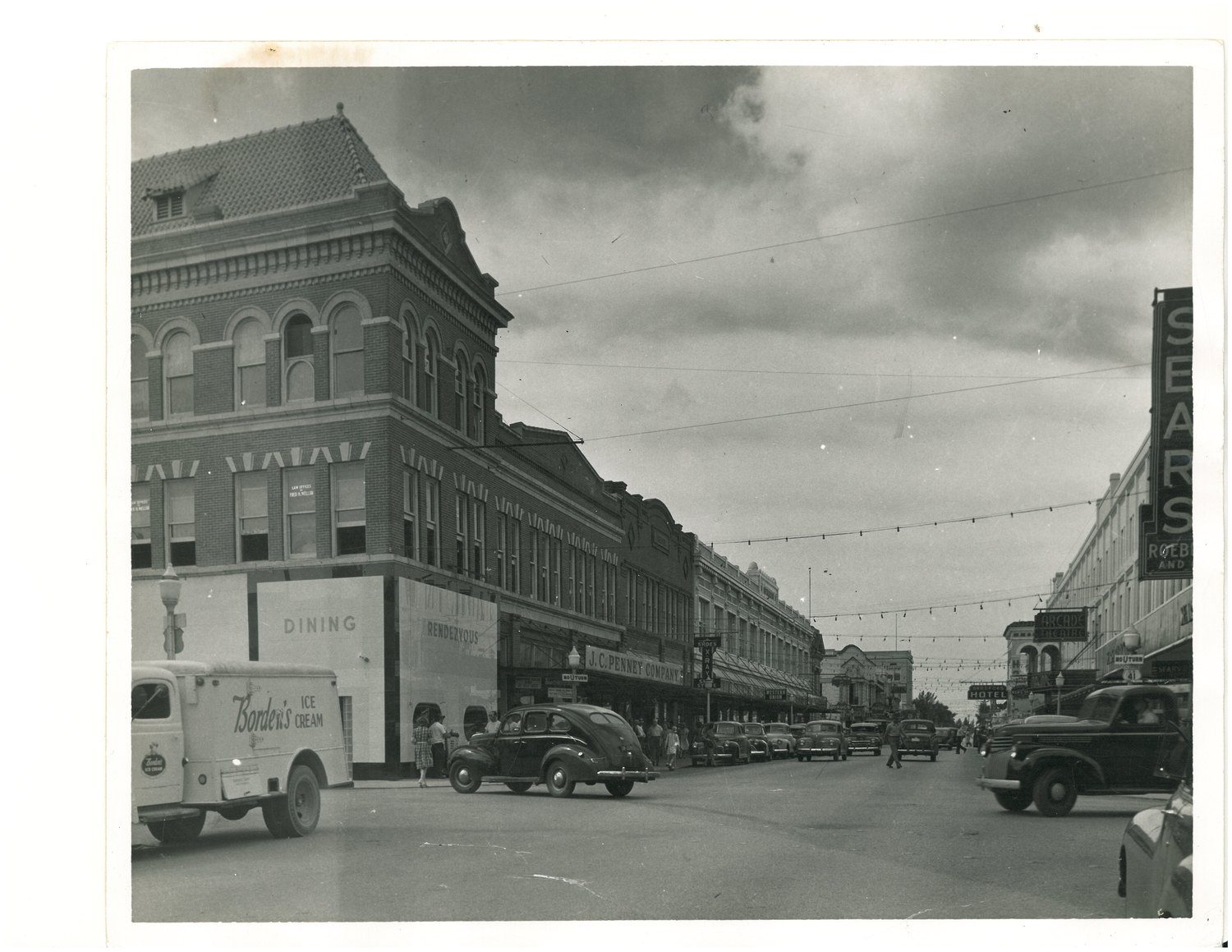
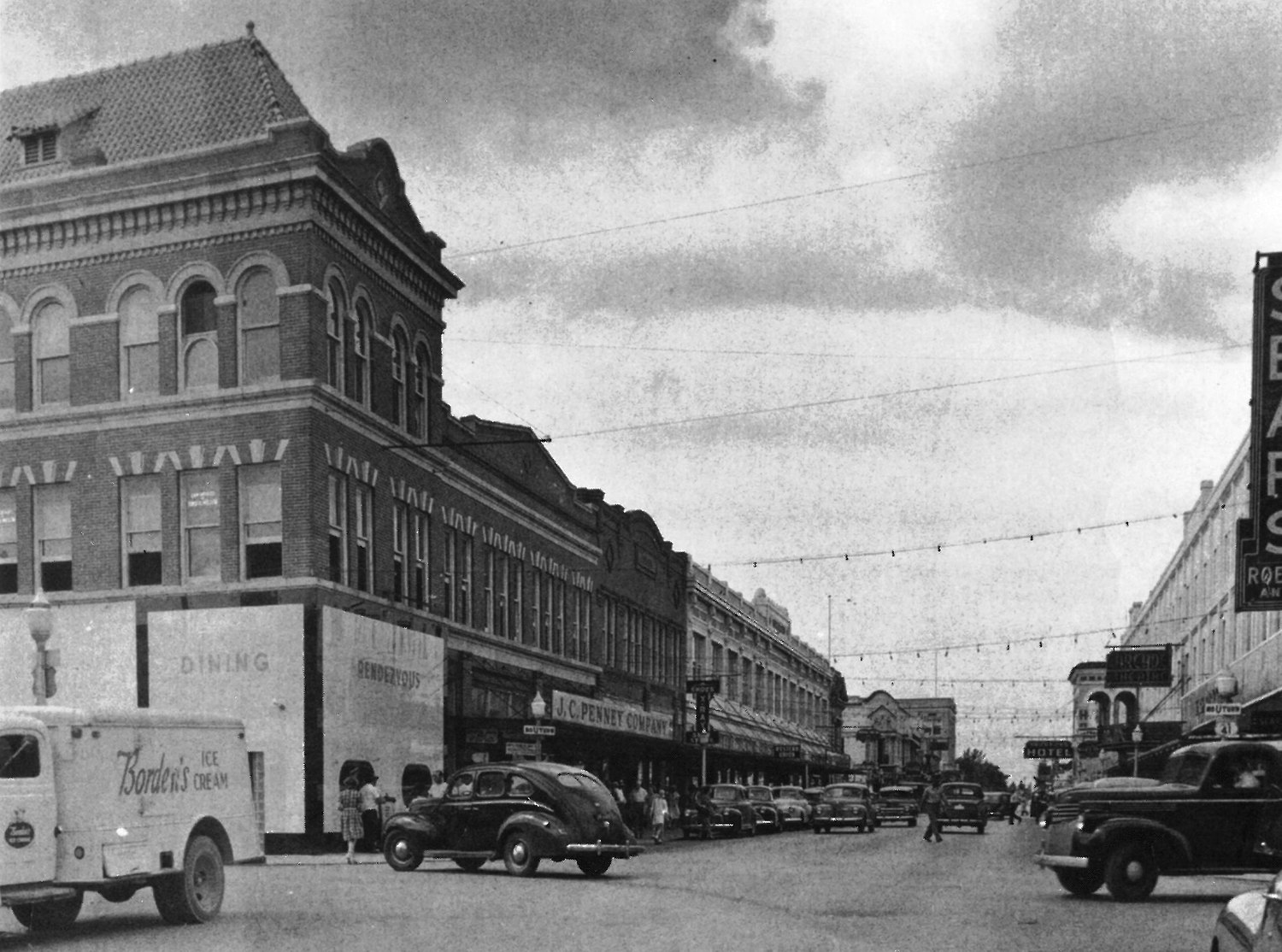
Langford answered with a grand new home for the First National Bank at the corner of First and Hendry. Completed in 1914, the imposing building featured monumental columns and an ornate classical façade intended to convey permanence, prosperity, and financial strength. It looked exactly as people expected a successful bank to look.
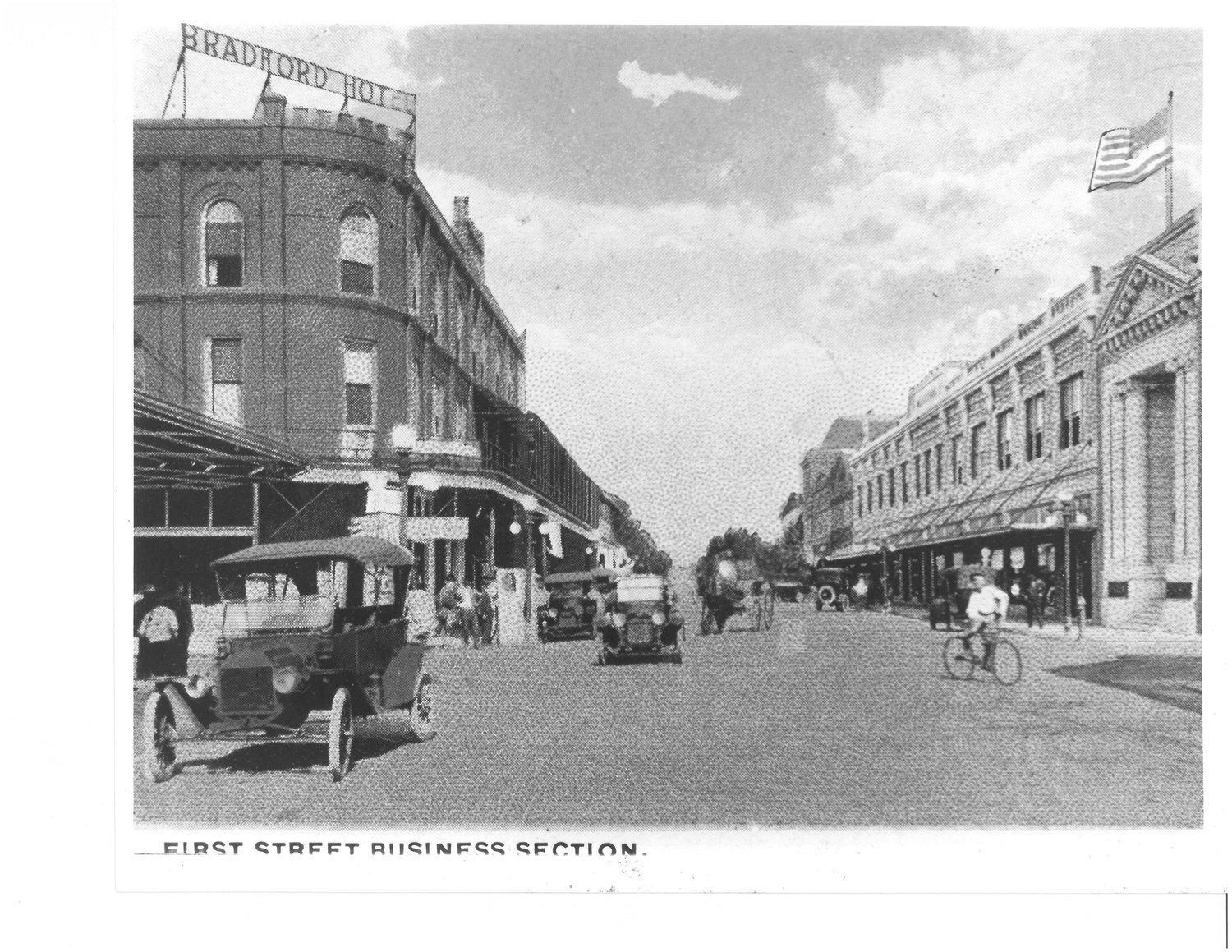
That same period brought another prominent display of the Langford name. Taft O. Langford, Walter’s uncle, erected the adjoining Langford Building, placing the family name in large letters across its façade.
HEITMAN’S FINAL MOVE
Heitman delivered his most dramatic architectural response on the south side of First Street.
Between the First National Bank and the Langford Building, he cleared a collection of older wooden structures and began construction of the Earnhardt Building. Completed in 1915, the two-story building stretched approximately 193 feet along First Street and contained about 33,000 square feet of space.
Its cream-colored pressed brick, white tile, decorative terra-cotta, and elaborate cornice made it stand out from the darker brick and gray concrete buildings surrounding it. The ground floor held eight commercial spaces, while the second floor contained approximately 35 offices. Contemporary accounts even credited it with having Fort Myers’ only public restrooms offering both hot and cold running water.
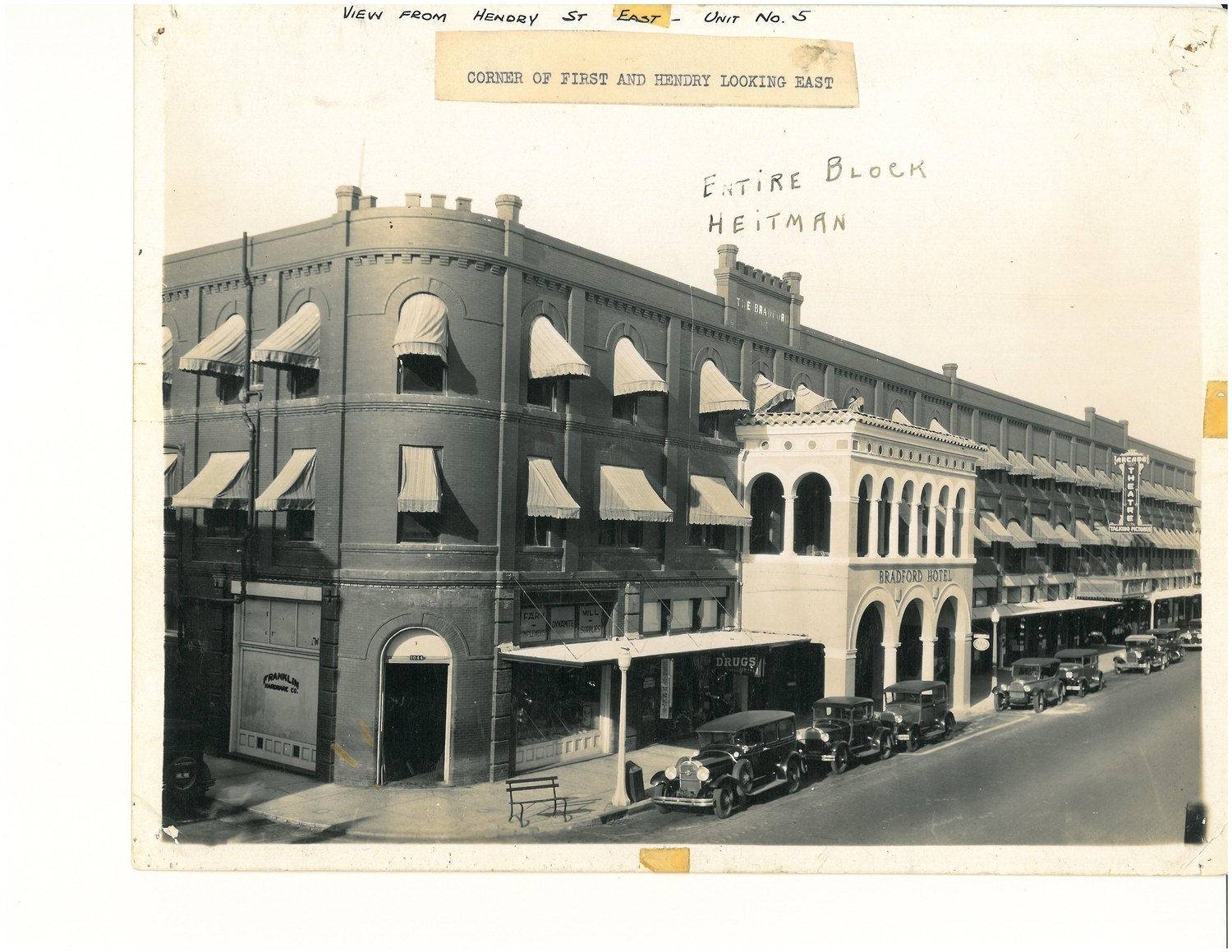
The Earnhardt Building completed Heitman’s dominance of the block. Yet the larger winner in the rivalry was downtown Fort Myers itself.
Within a relatively short period, the competition between Heitman and Langford replaced wooden storefronts with banks, hotels, offices, and substantial commercial buildings. Their determination to outbuild and outshine one another gave First Street the architectural character it still carries today.
The feud had a less productive side. The competing banks reportedly refused to cooperate on some municipal improvements, allowing personal rivalry to interfere with the town’s development. In time, however, Fort Myers grew large enough to support two banks—and many more.
Walk down First Street today, and the outlines of the contest remain visible. The Heitman Building, Bradford Hotel, Bank of Fort Myers, First National Bank, Langford Building, and Earnhardt Building stand as reminders that downtown Fort Myers was shaped not only by civic planning, but also by ambition, friendship, competition, and two businessmen determined to control its most important street.
Learn more local history at IMAG History & Science Center—where Southwest Florida’s stories come to life.
Love what you're reading?
Get the best of Fort Myers delivered to your inbox every month — local stories, events, and good news worth sharing.
Subscribe for Free