
Visitors often ask the same question: Where is the fort in Fort Myers?
The answer is both simple and surprising. The “fort” is gone—and has been for a very long time. But downtown Fort Myers still sits on the ground where it once stood. Beneath today’s streets, storefronts, and sidewalks (roughly between First and Second Streets to the north and south, and between Fowler and Monroe to the east and west) was the military post that gave the city its name.
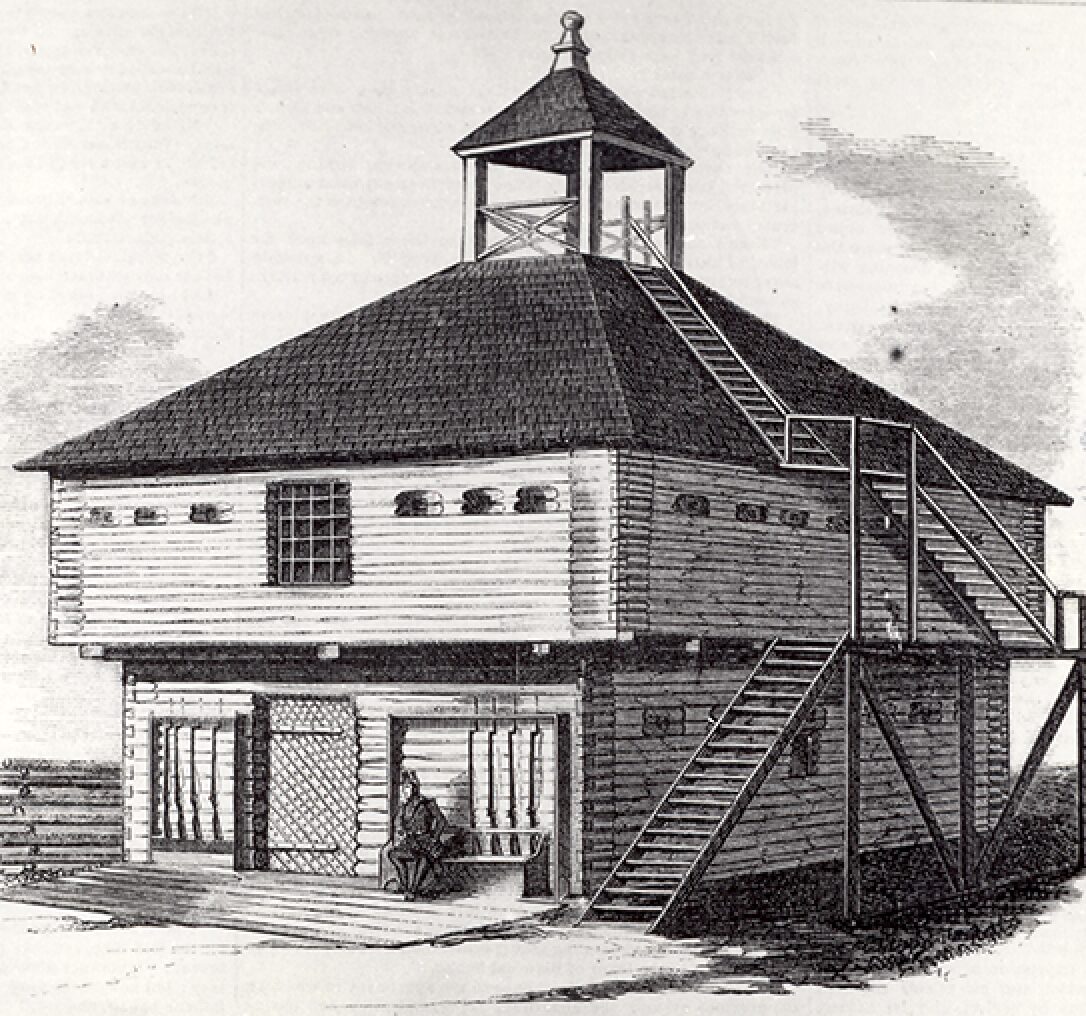
Fort Myers was established in 1850 during renewed conflict with the Seminoles in South Florida and was built near the abandoned Fort Harvie site along the Caloosahatchee. Contemporary accounts describe it as a substantial outpost, one of the larger forts of the Seminole War era, with dozens of buildings, a blockhouse, and a long wharf reaching into the river.
And what about Myers?
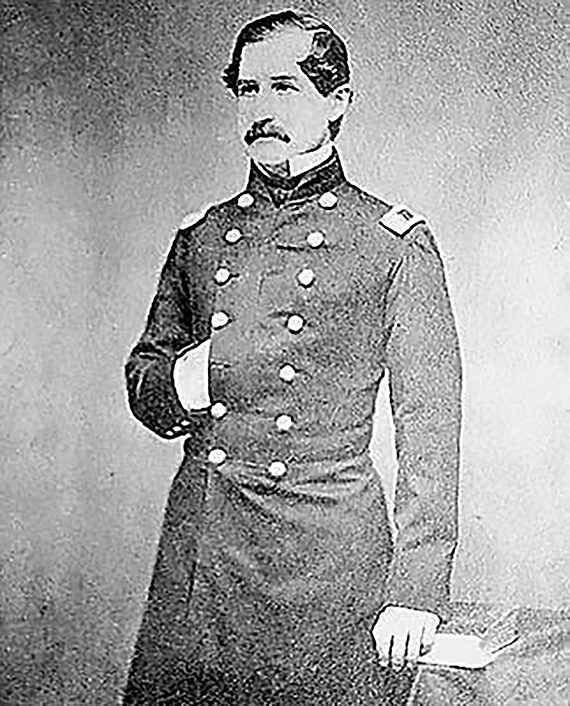
The name came from Colonel Abraham Charles Myers, a U.S. Army quartermaster. But the story has an unexpected twist: Myers never actually lived at Fort Myers. The fort was named for him in 1850 by Major David E. Twiggs, whose daughter Myers was expected to marry. In other words, the man whose name became attached to the city was connected to the place more by personal relationship than by physical presence.
That irony only deepened with time. Myers later joined the Confederacy and served as quartermaster general for the Confederate Army before falling out with Confederate leadership during the Civil War. Whatever distinction his military career may have carried, his name in Southwest Florida outlasted his direct historical relevance to the site itself.
After the Civil War, the fort was abandoned, and its buildings became a practical resource for the first settlers. Lumber was scarce and valuable, so doors, flooring, windows, and usable wood were stripped from the old military structures and repurposed. Some of the remaining buildings stood long enough to shelter early residents as the settlement began to take shape around the ruins of the post.
Yet even as the fort disappeared, the name endured.
The settlement that grew up beside the old post became a town, and then a city, that insisted on calling itself Fort Myers. Postal authorities, however, complicated matters. Because Fort Myer, Virginia already existed, the U.S. Post Office used Myers for the Florida community for many years. Both names circulated in the late nineteenth century, and sources note that the official postal usage did not fully shift to Fort Myers until 1901.
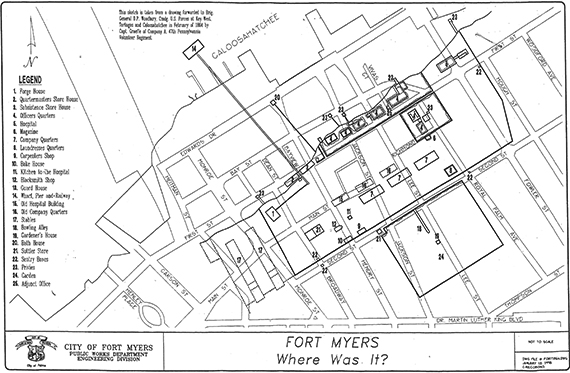
So, the name that survives today is a kind of historical layering: a vanished fort, a namesake who never came here, a settlement built partly from the fort’s remains, and a community determined to keep the fuller name even when the federal government preferred otherwise. That is why Fort Myers is called Fort Myers, even long after the fort itself disappeared.
For more on the history of Southwest Florida, visit IMAG History & Science Center.