


In Southwest Florida, spring arrives with longer days, warmer breezes, and blooming landscapes. For local animal shelters, however, the season signals something else entirely: the start of kitten season.
Each year, as temperatures rise, so does the number of newborn kittens and puppies entering shelters. At Gulf Coast Humane Society in Fort Myers, this seasonal surge can begin almost overnight. Litters of tiny animals begin arriving through concerned residents, animal control officers, and community members who discover young animals outdoors.
Many of these kittens are only days old.
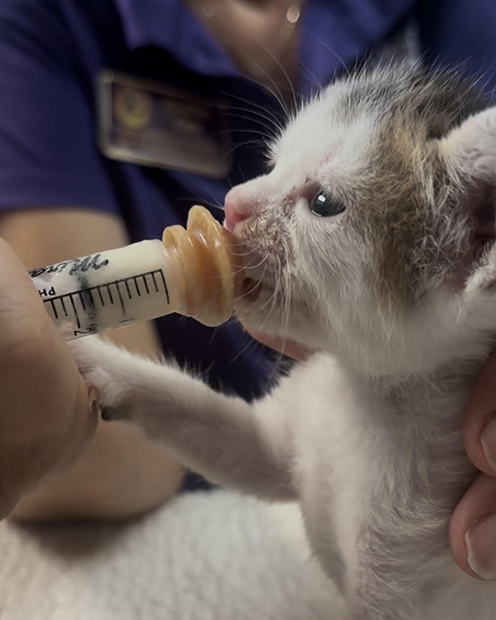
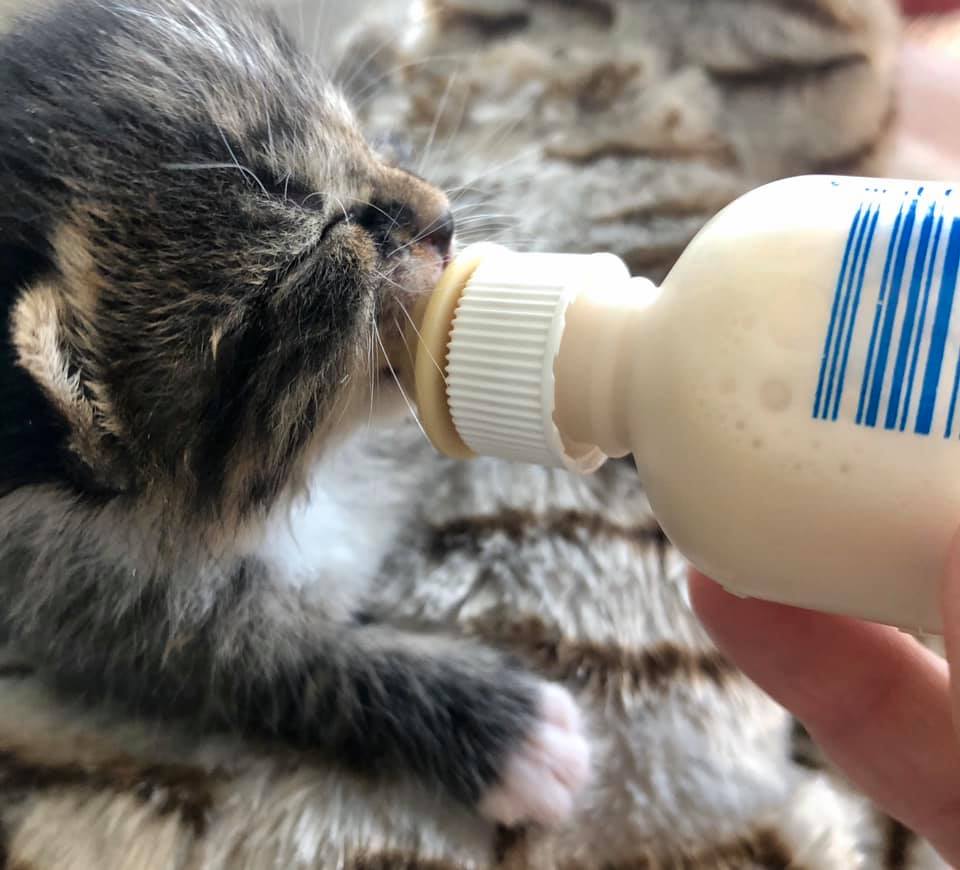
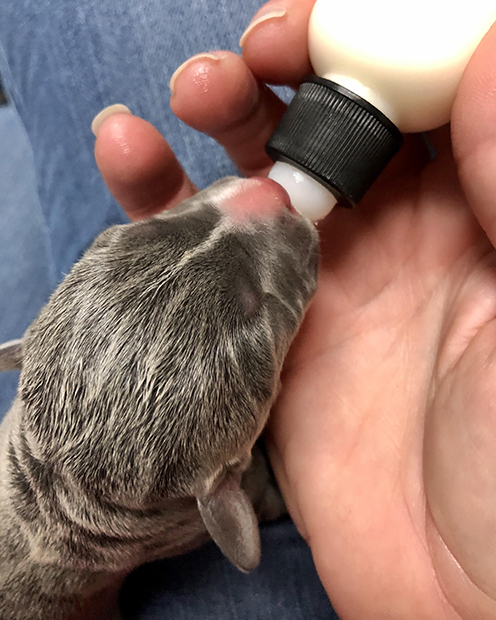
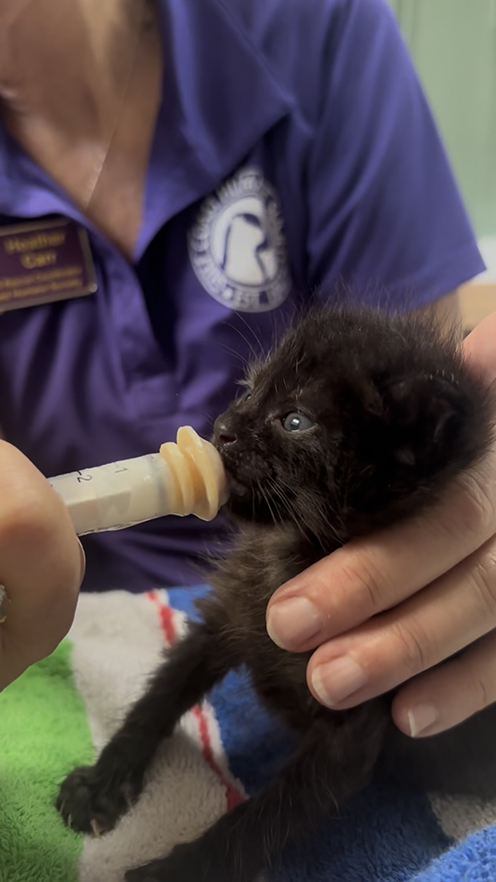
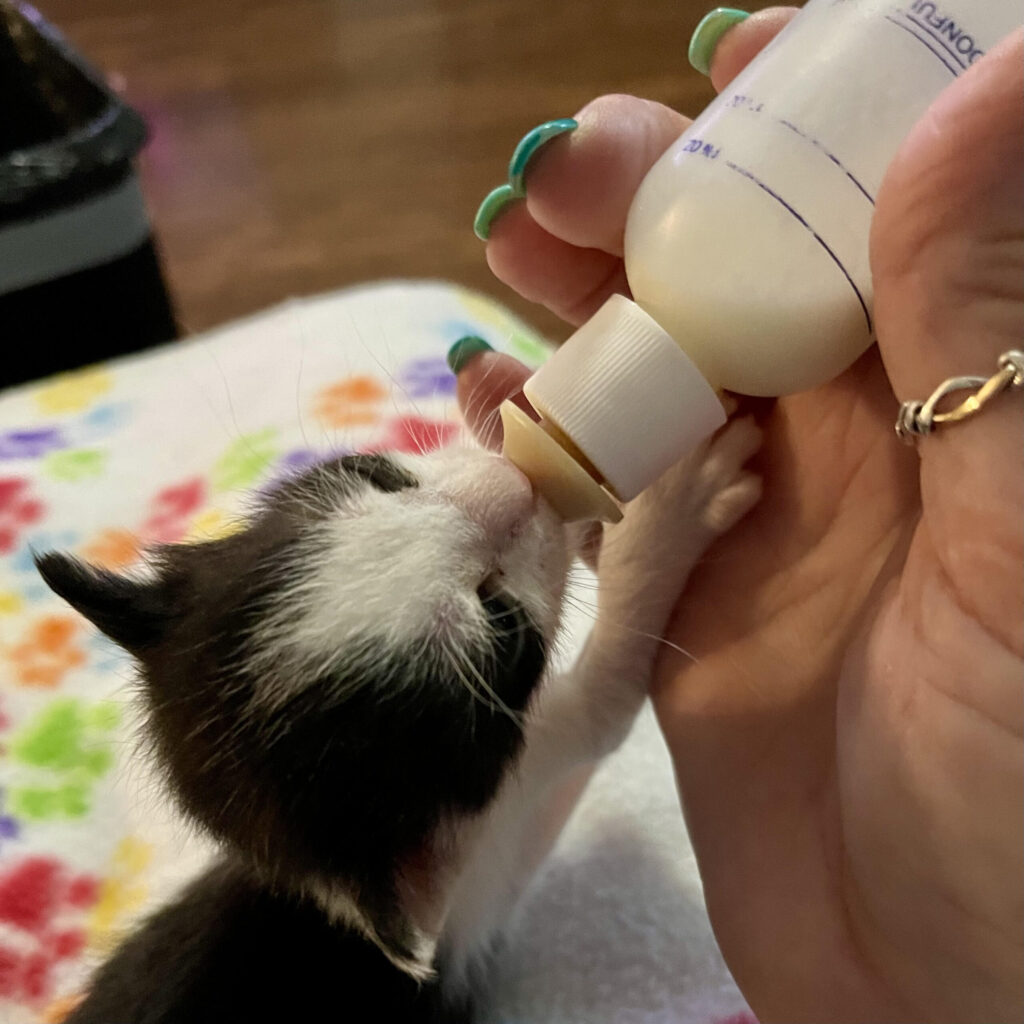
At that age, newborn animals are extremely fragile. They cannot regulate their own body temperature and depend completely on either their mother or constant human care. When mother animals are not present, shelter staff and foster caregivers step in to provide round-the-clock bottle feedings, medical monitoring, and incubator support to help stabilize them during their most vulnerable weeks.
While this lifesaving work is an important part of shelter operations, animal welfare professionals emphasize that many of these situations begin with a misunderstanding.
One of the most common scenarios during kitten season occurs when residents discover kittens outside and assume they have been abandoned. In reality, the mother cat is often nearby and caring for them. Mother cats frequently leave their kittens temporarily to search for food and will return once the area is quiet.
Because of this natural behavior, animal welfare experts encourage residents to pause before intervening.
If you find kittens outdoors, the first step is observation. If the kittens appear healthy and safe, it is very likely their mother is still caring for them. In most cases, leaving the kittens where they are allows the mother to continue nursing and protecting them, giving them the best possible chance of survival.
There are situations when help may be needed. Kittens that appear injured, extremely thin, cold, or have been left alone for many hours without the mother returning may require intervention. In those cases, contacting a local shelter or veterinarian for guidance is the best next step.
While shelters prepare each spring for an increase in vulnerable animals, prevention remains the most effective long-term solution.
Spaying and neutering pets prevents unplanned litters and reduces the number of animals entering shelters each year. One surgery can prevent multiple future litters and significantly reduce the seasonal surge that shelters experience.
Gulf Coast Humane Society is also home to a veterinary clinic that provides affordable spay and neuter services, wellness care, and preventive medicine for pets in the community. By making veterinary care more accessible, the organization helps pet owners take proactive steps that keep animals healthy and prevent unwanted litters before they occur.
This combination of lifesaving care, community education, and accessible veterinary services allows Gulf Coast Humane Society to address both the immediate needs of vulnerable animals and the long-term goal of reducing the number of animals who need shelter in the first place.
As spring unfolds across Southwest Florida, kitten season serves as an important reminder that informed communities can make a meaningful difference.
Sometimes helping means stepping in. But just as often, the best help is knowing when to simply let a mother do what she naturally does best.
Love what you're reading?
Get the best of Fort Myers delivered to your inbox every month — local stories, events, and good news worth sharing.
Subscribe for Free