

White-sand beaches, clear water, theme parks, and family vacations may define Florida for many people today, but the Florida of the nineteenth century was a very different place.
Long before highways, resorts, and Walt Disney World, Florida remained one of the nation’s great frontiers. Its forests, wetlands, prairies, rivers, and enormous stretches of unsettled land attracted an equally diverse collection of people. There were fortune seekers and fugitives, cattlemen and farmers, Seminoles resisting removal, Black Seminoles and formerly enslaved people seeking greater freedom, and settlers looking for land and opportunity far from established society.
Life here was difficult, but distance from the rest of the country also offered something valuable: independence.
Out of that environment emerged one of Florida’s most distinctive cultural traditions—the Florida Cracker.
The exact origin of the word cracker has been debated, and the term existed before Florida’s cattle culture developed. But in Florida, it became closely associated with the cattlemen whose cracking whips became a familiar sound across the state’s open range. Unlike the great cattle drives of the American West, Florida cattle often moved through pine flatwoods, palmetto, marshes, and other difficult terrain. Mounted cattlemen used long whips not primarily to strike their animals, but to create a sharp crack that could be heard over great distances and help move scattered herds.
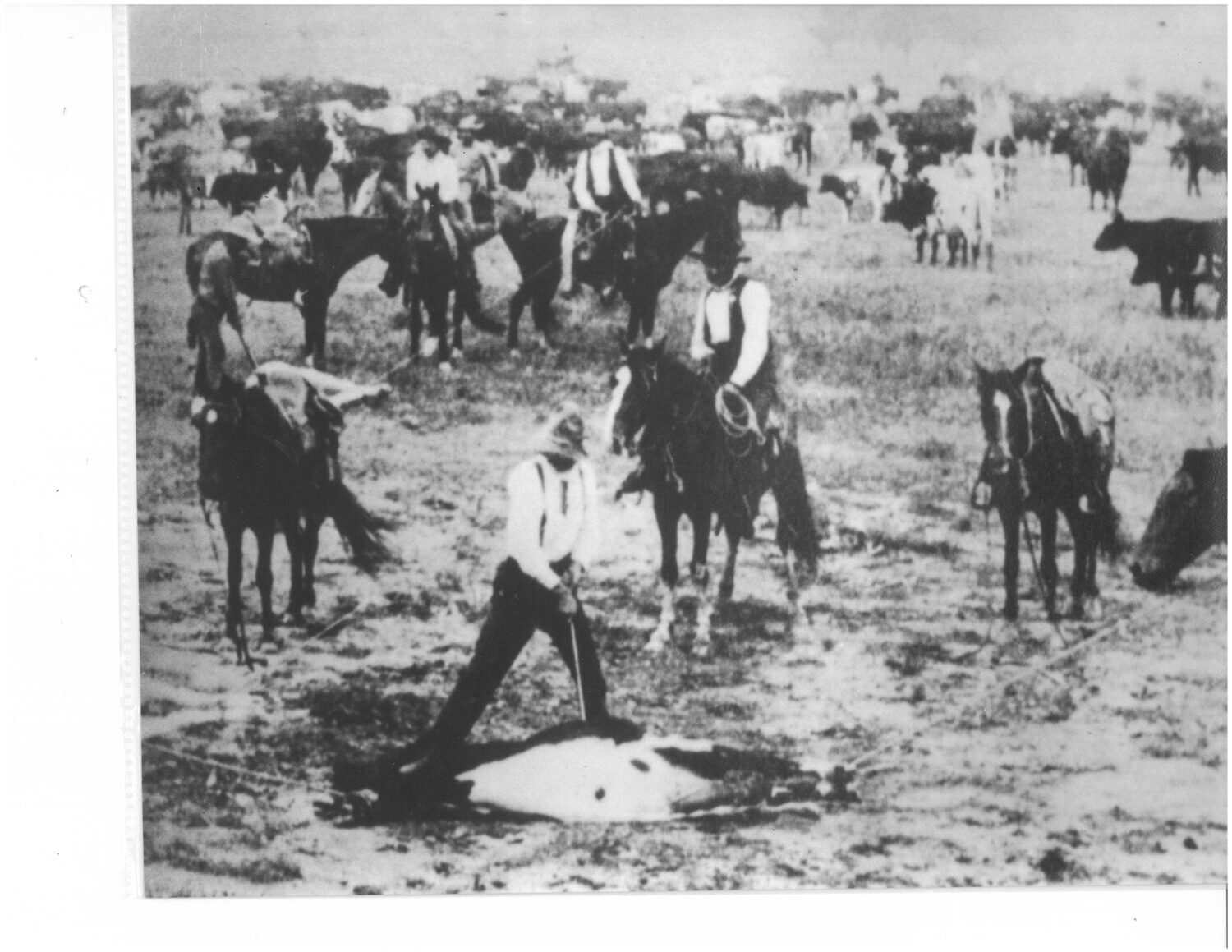
For generations, the cattleman, his horse, and his whip became enduring symbols of rural Florida.
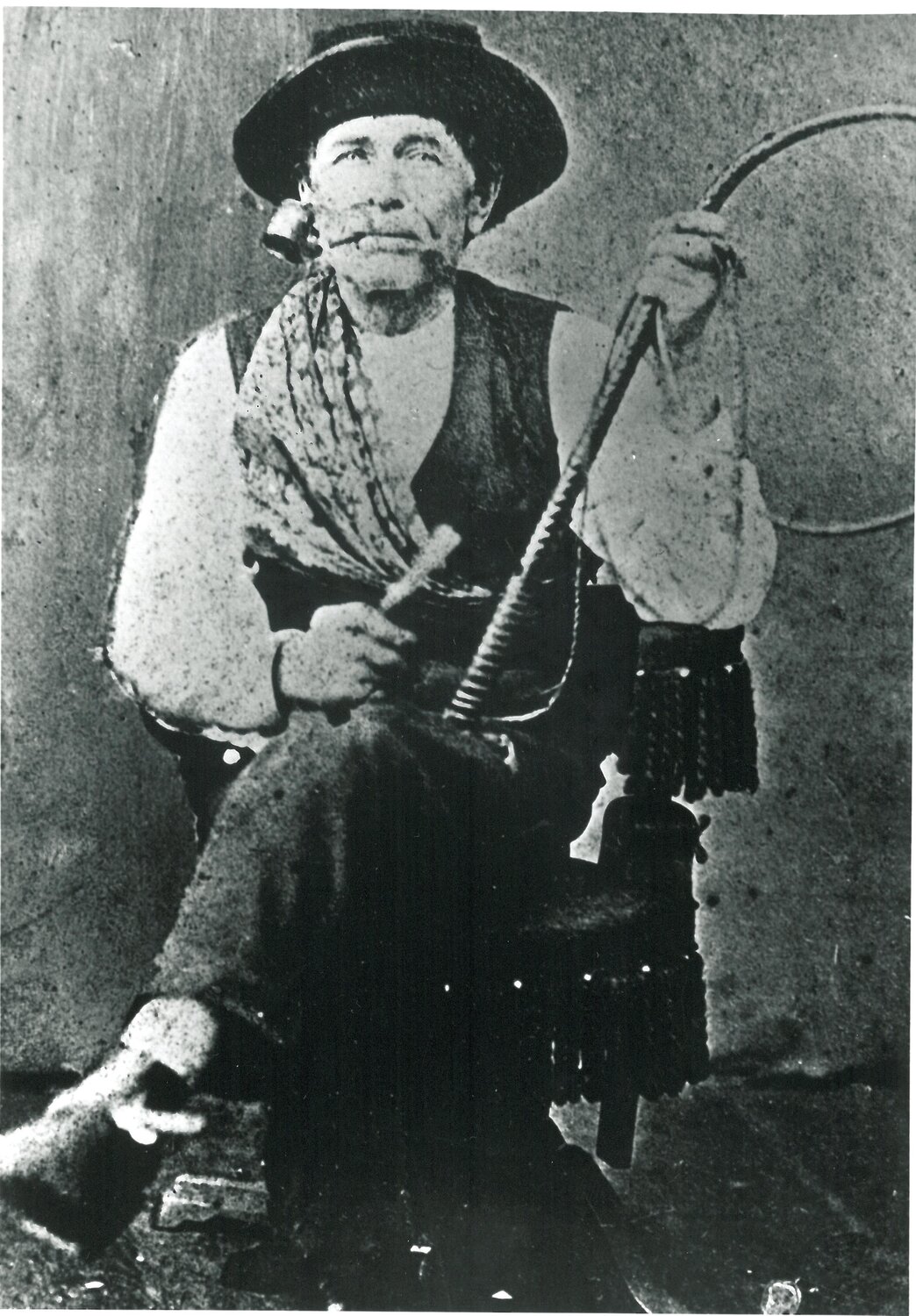
But Cracker culture was about much more than cattle.
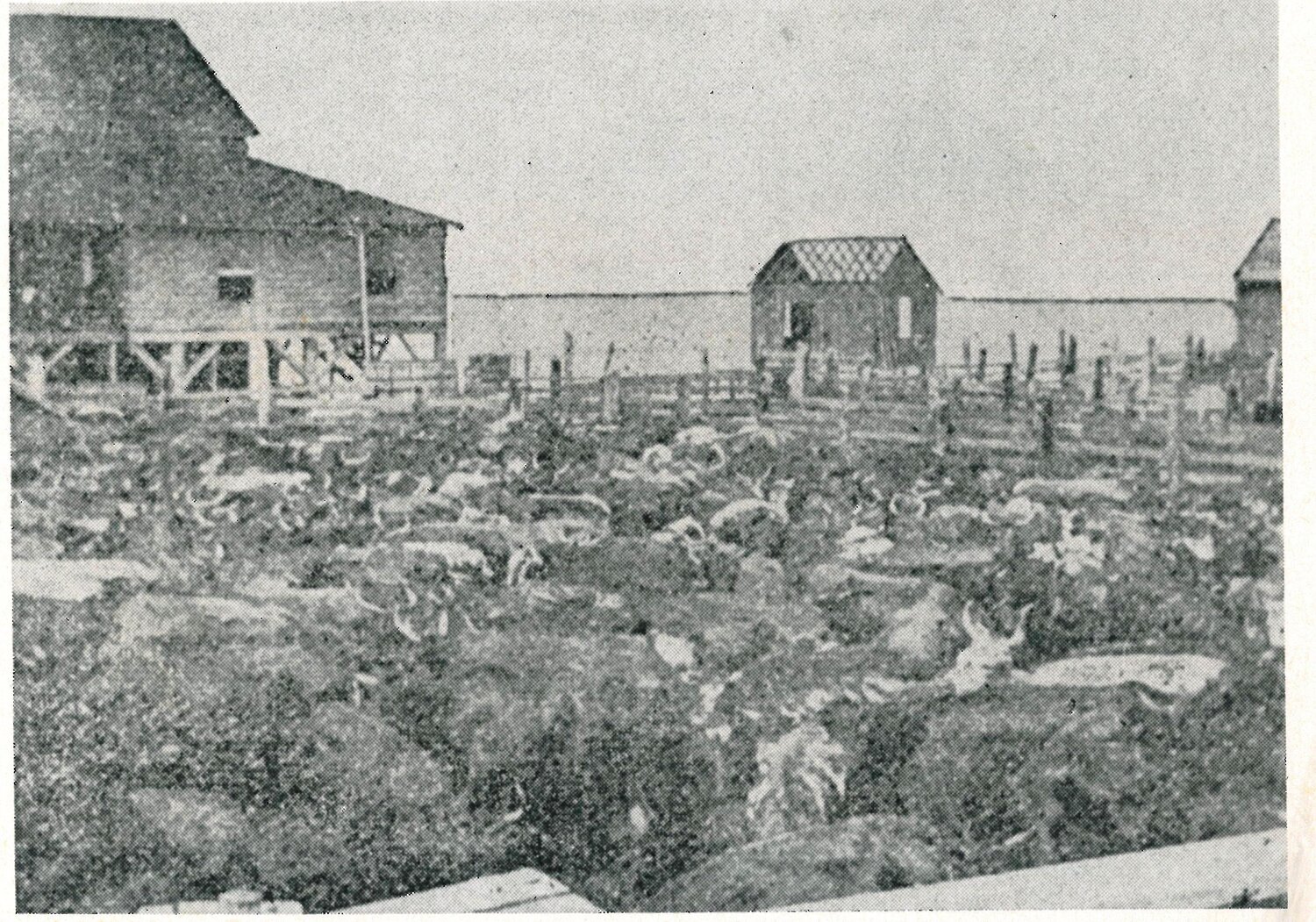
Families often lived miles apart, separated by rivers, swamps, forests, and primitive trails. Trips to town could require hours or even days. That isolation encouraged self-reliance, but communities nevertheless developed shared customs, foods, skills, stories, and ways of adapting to the Florida landscape.
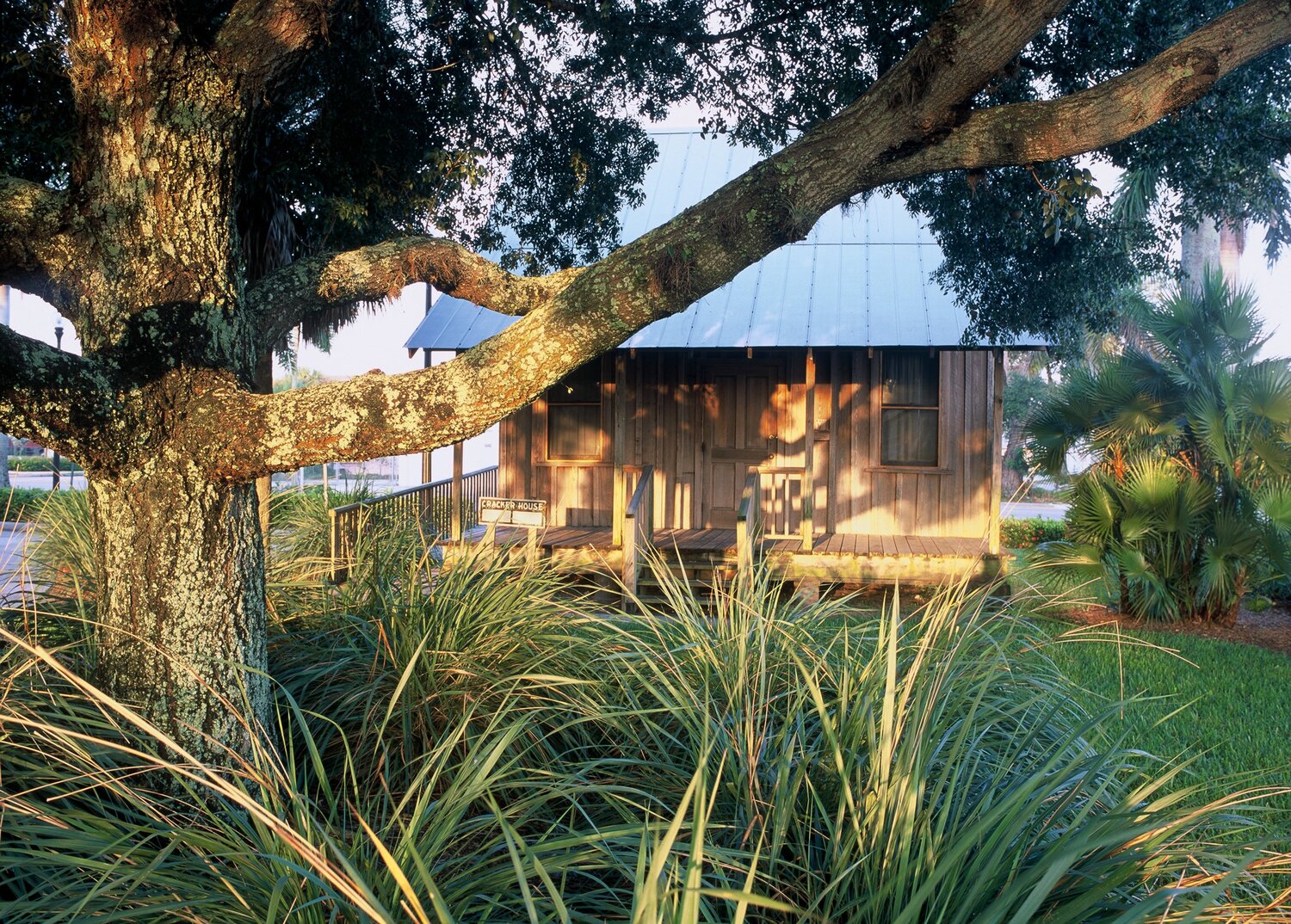
Few things demonstrate that adaptation better than the Florida Cracker house.
At first glance, the traditional Cracker house can look remarkably simple: a wooden building raised above the ground, surrounded by porches, covered by a steep roof, and punctuated by numerous windows and doors. Yet nearly every feature served a practical purpose.
Before electricity and air conditioning, surviving a Florida summer required architecture that worked with the environment rather than against it.
Many homes were raised on piers, protecting the wooden floor structure from damp ground and minor flooding while allowing air to circulate beneath the house. Elevation also helped separate the living space from insects, livestock, and other animals common around a rural homestead.
Inside, high ceilings allowed rising hot air to move above the occupants. Large windows and doors were positioned to capture prevailing breezes and encourage cross-ventilation. Wide porches shaded exterior walls and created outdoor living spaces protected from Florida’s intense sun and frequent rain.
Some homes evolved into the familiar dogtrot form, with two enclosed sections separated by an open central breezeway beneath a common roof. Others used different arrangements, but the principle remained the same: keep air moving.
The kitchen created another challenge.
Cooking over an open hearth or wood-burning stove generated tremendous heat—and presented a serious fire danger in a wooden house. For that reason, kitchens on many early Florida homesteads were constructed as separate buildings or connected to the main house by a covered walkway. Keeping the cooking fire away from the primary living space made the house cooler while reducing the chance that a kitchen fire would destroy the entire home.
Florida’s forests supplied the building material.
Southern yellow pine, including the dense heart pine harvested from old-growth trees, was abundant and extraordinarily durable. Properly seasoned heart pine could resist decay and insects remarkably well, helping some nineteenth-century Florida buildings survive long after their builders were gone. Those same resin-rich timbers, however, could burn fiercely once dry—another reason fire prevention mattered so much.
Roofing changed as manufactured materials became more available. Metal roofs became particularly desirable because they were durable, shed Florida’s heavy rains efficiently, and were far less vulnerable to wind-blown sparks than traditional wooden shingles. Their reflective surface also helped reduce some of the heat absorbed beneath Florida’s intense sun.
None of these features resulted from a single architect or building plan. The Cracker house evolved through experience. Each generation learned what worked, what failed, and what made life more tolerable in an environment that could be beautiful one day and unforgiving the next.
That same adaptation characterized Cracker culture itself.
Frontier Florida was shared and contested ground. Seminoles and Miccosukees continued to make lives in South Florida despite decades of warfare and federal efforts to remove them. Black Seminoles and African Americans contributed their own traditions and knowledge. White settlers brought customs from Georgia, the Carolinas, Alabama, and elsewhere. Cattle culture, foodways, language, music, architecture, and survival skills developed through generations of interaction among people and the landscape.
The result was not a perfectly isolated culture belonging to a single moment or group, but something distinctly Floridian.
Surviving nineteenth-century Florida was no easy task. Travel could be grueling, neighbors might live miles away, storms and fires were recurring threats, and the environment demanded constant adaptation. Yet those who learned how to live with the land discovered what generations after them would continue to seek here: fertile ground, abundant wildlife, striking landscapes, economic opportunity, and the possibility of building a life on their own terms.
Much of old Florida has disappeared beneath the modern state. Cattle ranges became subdivisions, trails became highways, and air conditioning changed the way Floridians design their homes. Yet the Cracker legacy remains—in ranching families, historic houses, regional foods and traditions, and even in architectural ideas that still make sense in Florida’s climate.
The Florida Cracker story is ultimately one of adaptation: people learning to survive, and eventually prosper, by understanding the landscape around them rather than trying to ignore it.
Learn more local history at IMAG History & Science Center—where Southwest Florida’s stories come to life.
Love what you're reading?
Get the best of Fort Myers delivered to your inbox every month — local stories, events, and good news worth sharing.
Subscribe for Free