
The impact of Thomas Edison’s arrival in Fort Myers in 1885 cannot be overstated. At the time, Edison was becoming one of the most famous men in the world, perhaps the first true American celebrity. His presence drew attention, visitors, and prestige to what was then still a small and remote Florida town. But beyond the attention he brought, Edison also left Fort Myers with tangible gifts—one of which helped shape the city’s enduring identity.
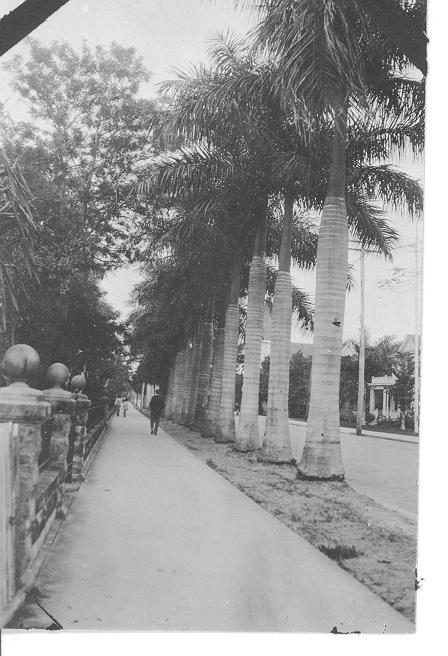
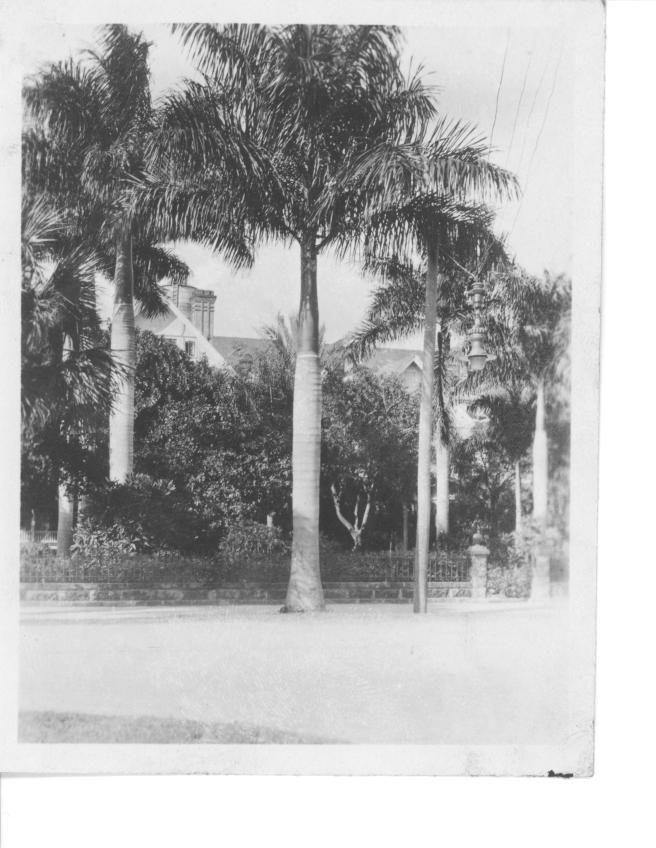
The idea that Fort Myers should become the “City of Palms” began with a simple observation. Edison admired the beautiful Royal Palms planted by Hugh O’Neil in front of his Fort Myers Hotel, which later became known as the Royal Palm Hotel. Struck by their beauty, Edison decided to line the street in front of his own winter residence with the same majestic trees. His vision soon grew larger. He offered to line Riverside Avenue, now McGregor Boulevard, with Royal Palms as a gift to the city, provided Fort Myers agreed to care for the trees after an initial two-year period.
The city council accepted the offer, and Edison hired H.T. Tulls and W.H. Towles to carry out the project. The men purchased 1,100 trees from Cuba, but trouble began almost immediately. When they arrived to collect the palms, the trees had been quarantined because of a yellow fever outbreak.
That setback was only the beginning.
Most of the original 1,100 palms died. Then, in another stroke of bad luck, most of the 700 replacement trees also failed to survive. When Tulls and Towles finally secured enough living palms to plant in Fort Myers, it seemed the long struggle might finally be over. But once Edison’s two-year contract for their care expired, the city failed to uphold its part of the agreement, and many of the trees died yet again.
The dream of a palm-lined avenue might have ended there if not for continued determination and another round of support. In 1915, eight years after the project began, Edison and other local residents contributed additional funds to replace the lost trees. That same year, the City of Fort Myers Parks Department was created to care for them properly.
In the end, the effort succeeded.
Today, the legacy of that effort is still visible every day along McGregor Boulevard. The road now stretches about 14.5 miles from Fort Myers toward Punta Rassa, and its palm-lined sections remain one of the region’s most recognizable historic landscapes. Fort Myers still officially carries the nickname “City of Palms,” a direct reflection of the identity those plantings helped create. More than a century after Edison’s vision took shape, the Royal Palms along McGregor continue to serve not just as landscaping, but as a living symbol of the city’s history and image.
Because of Edison’s vision, the persistence of those who carried the plan forward, and the creation of a city department to protect the investment, Fort Myers gained one of its most distinctive and lasting features: the grand Royal Palm-lined avenue that helped define the city for generations.
Learn more local history at IMAG History & Science Center—where Southwest Florida’s stories come to life.
Love what you're reading?
Get the best of Fort Myers delivered to your inbox every month — local stories, events, and good news worth sharing.
Subscribe for Free